You want something warm, sweet, and a little smoky, but the coffee shop is closed, the weather is turning cool, and plain coffee suddenly feels inadequate. A toasted marshmallow latte solves that craving with espresso, silky milk, and a syrup that tastes like the golden edge of a marshmallow over a campfire.
The trick is restraint. Too little syrup leaves you with ordinary sweet coffee, while too much buries the espresso under candy-like sweetness. This toasted marshmallow latte recipe focuses on the part many versions skip, controlling intensity and adapting the drink for iced mornings, instant coffee, plant-based milk, and outdoor preparation.
Why This Toasted Marshmallow Latte Is Different
The flavor feels familiar because it combines several memories in one cup. You get the caramelized edge of a toasted marshmallow, the softness of a confection, and the roasted bitterness of coffee. Yet the drink itself is relatively new, a 21st-century specialty-coffee creation rather than a traditional coffee classic, shaped by café experimentation and campfire nostalgia.
Marshmallow has a much older story. Around 2000 B.C., people in ancient Egypt used sap from Althaea officinalis with honey as a medicinal preparation for sore throats and coughs, as described in this history of the toasted marshmallow latte. The confection later took shape in 19th-century France, where bakers whipped the plant sap with sugar and egg whites. Gelatin eventually replaced the sap during industrialisation, making large-scale production practical.
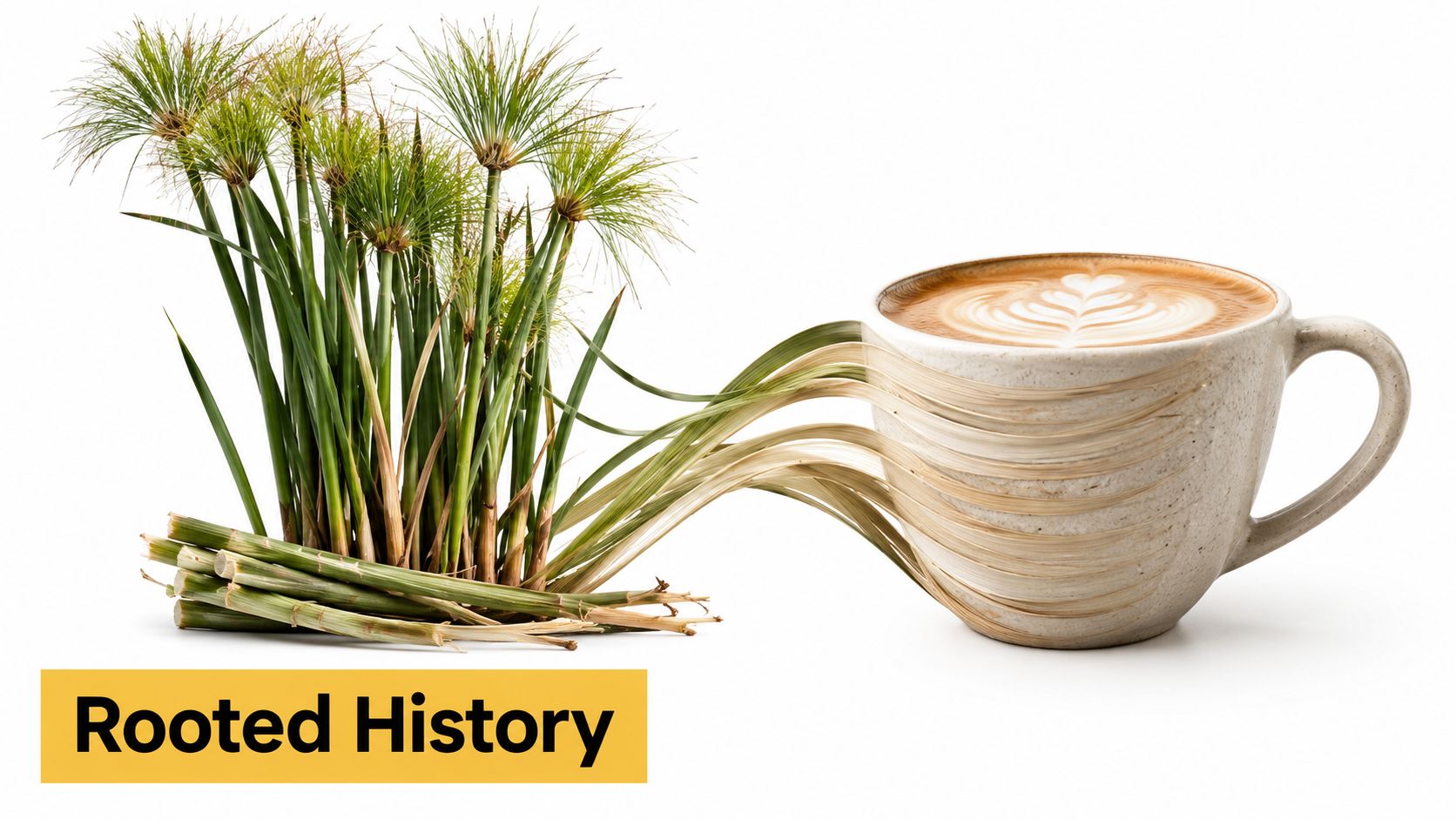
That history explains why the drink lands somewhere between old and new. Its botanical roots belong to an ancient remedy, its texture comes from confectionery, and its final form belongs to modern espresso culture. The contrast makes the latte more interesting than a plain vanilla coffee, because the toasted note gives the sweetness a darker edge.
Nostalgia with a coffeehouse structure
Cafés have embraced dessert-inspired drinks because they let familiar treats work within a coffee format. A recent industry summary reported that marshmallow flavour increased by nearly 20% over the past year across major markets, a trend discussed in Barista Magazine's ingredient overview. That momentum reflects the appeal of comforting flavours, but it also raises the standard for home recipes.
A good version shouldn't taste like melted sweets stirred into weak coffee. The espresso needs enough presence to cut through the syrup, and the milk must stay sweet and textured rather than overheated. Treat the toasted marshmallow as a flavour accent, not the entire drink, and the result feels like a composed latte instead of liquid candy.
How to Make Toasted Marshmallow Syrup From Scratch
The syrup determines whether this drink tastes rounded or artificial. Homemade syrup gives you control over the toasted character, and the process is straightforward as long as you respect the foam created when the marshmallows meet the hot liquid.
Prepare the toasted marshmallows
Toast the marshmallows under a broiler or with a kitchen torch until they develop a golden-brown surface. Keep them close and watch continuously. Marshmallows move from toasted to burnt quickly, and a little darkening adds the campfire note, while blackened sugar can make the syrup bitter.
For the syrup base, use:
- Sugar: 1 cup
- Water: 1 cup
- Toasted marshmallows: roughly 10
The equal-parts sugar and water ratio creates a fluid syrup that blends easily into hot espresso or milk. Combine the sugar and water in a saucepan and heat until the sugar has dissolved. You don't need to chase a thick caramel consistency. The toasted marshmallow supplies body and flavour, while a thinner syrup distributes more reliably in the finished latte.
Dissolve, stir, and strain
Add the toasted marshmallows immediately while the syrup is still hot. The mixture will foam strongly on contact, so use a saucepan with room for expansion and stir continuously until the marshmallows have dissolved. This is the stage where patience matters. Stopping early leaves soft solids behind and creates inconsistent sweetness from one drink to the next.
Practical rule: Add the marshmallows to hot syrup, not a cooled sugar mixture. Heat keeps the marshmallow moving into the liquid instead of forming stubborn lumps.
A small amount of vanilla or salt can support the toasted flavour, but start without either so you can judge the base. Once smooth, strain the syrup before bottling. Straining removes undissolved material and gives you a cleaner texture, especially if the marshmallows developed a firm toasted crust.
For more ideas on using flavoured syrups across different coffee styles, see this guide to flavoured syrups for coffee.
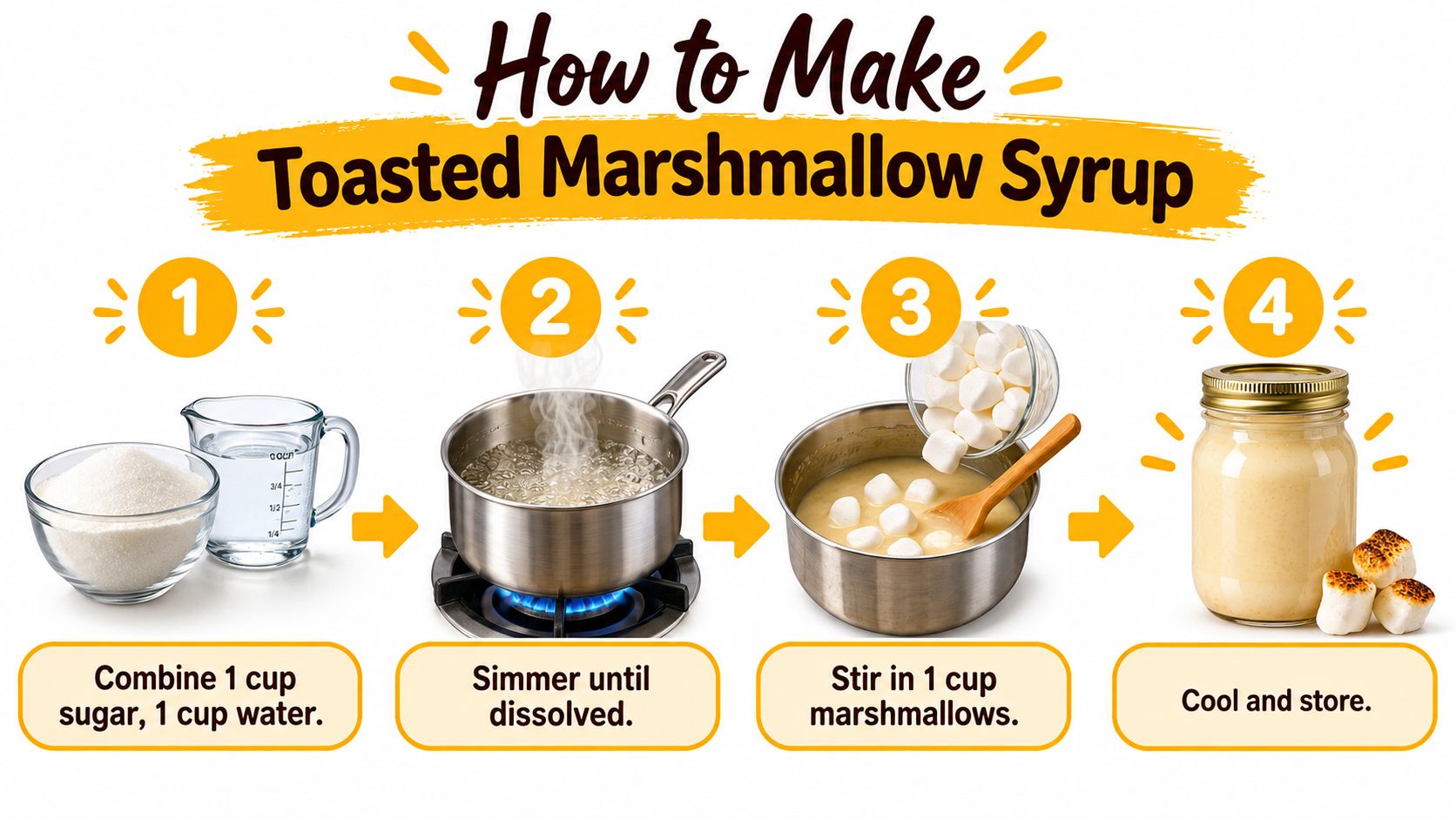
Let the syrup cool before transferring it to a clean bottle or jar. The syrup is easier to measure once it has cooled slightly, and you'll avoid trapping excess heat in a storage container.
Building the Perfect Latte Base
A toasted marshmallow latte needs a coffee base with enough structure to carry dessert-level sweetness. Espresso works well because its concentrated roast character stays present after the syrup and milk go in. For a benchmark build, combine about 2 ounces of toasted marshmallow syrup with 1/2 cup of hot espresso and roughly 1 1/2 cups of steamed milk, following the proportions in this toasted marshmallow latte guide.
That recipe makes a generous, soft drink. For a smaller cup, use 1 to 2 tablespoons of syrup with 6 to 8 ounces of steamed whole milk, then taste before adding more. Put the syrup in the cup first, pour in the espresso, and stir thoroughly. The hot coffee loosens the syrup and spreads its sweetness through the base, rather than leaving a concentrated layer at the bottom.
Why milk temperature changes the flavour
Whole milk remains the benchmark because its fat provides a fuller mouthfeel and its protein helps form stable foam. Those qualities soften espresso's roast edge while giving toasted marshmallow syrup enough texture to taste rounded instead of sugary.
Plant-based milk changes the balance. Oat milk usually gives the closest creamy impression, while almond milk makes the drink lighter and adds a nutty note that can support the toasted flavour. Choose a barista-style version when possible, especially if you want foam that holds long enough for a topping. For a portable latte, a milk that mixes smoothly matters more than a thick foam cap.
Steam the milk until it reaches approximately 140 to 155°F, or 60 to 68°C, then stop, using this guide to frothing milk for coffee for the wand technique. Milk heated beyond that range can produce flatter foam and make the latte seem less sweet. The syrup already brings a campfire-style dessert character, so overheated milk can make the finished drink taste dull rather than richer.
Introduce air at the surface with the steam wand, then lower the pitcher slightly to create a smooth whirlpool. Tap the pitcher gently on the counter and swirl it before pouring. A handheld frother works when convenience matters, although its bubbles will be larger and less stable than fine microfoam.
Assemble and taste before garnishing
Start with less syrup than you expect to need. Stir the coffee and milk together, taste, and add a small amount only if the roast still overwhelms the marshmallow. Finish with a modest foam cap and, for the campfire effect, one toasted marshmallow rather than a crowded pile of toppings.
Hot, Iced, and Instant Coffee Adaptations
The classic hot version has the roundest texture, but it isn't always the most practical. An iced latte sharpens the coffee and makes the toasted note feel lighter, while instant coffee turns the recipe into something you can prepare at a desk, campsite, or rental kitchen.
| Version | Coffee base | Milk approach | Flavour result |
|---|---|---|---|
| Hot | Espresso | Steamed milk | Rich, soft, and integrated |
| Iced | Espresso or strong coffee | Cold milk over ice | Brighter and more refreshing |
| Instant | Dissolved instant coffee | Warmed or cold-frothed milk | Fast, portable, and lighter in body |
Iced preparation
For an iced latte, mix the syrup into the hot espresso before adding ice. Warm coffee dissolves the syrup more evenly, preventing a dense sweet layer from settling at the bottom. Pour the mixture over ice, add cold milk, and stir.
A smaller iced build uses 1 to 2 ounces of syrup, 6 ounces of milk, ice, and espresso, following the proportions in this hot or iced toasted marshmallow latte recipe. Reduce the syrup if you prefer a coffee-forward drink. Plant-based milk can work well, but choose one that has enough body to avoid a thin finish. Oat milk usually brings a creamy texture, while almond milk gives a lighter, more nutty result.
Instant coffee for busy mornings
For a quick hot version, dissolve high-quality instant coffee in a small amount of hot water, then stir in the toasted marshmallow syrup. Warm your milk separately and froth it before pouring. The coffee will taste less concentrated than espresso, so the toasted note should stay measured rather than increasing the syrup automatically.
Cartograph Coffee's organic instant coffee packets are designed to combine with milk, sweeteners, or spices for coffeehouse-style drinks, which makes them suitable for this adaptation. The instant coffee latte method is useful when you need café-style texture without an espresso machine.
For a portable ritual, prepare the coffee and syrup in a heat-safe mug, add warmed milk, and carry it in a sealed travel cup. If you enjoy visual details as much as flavour, this resource on a mug that changes with heat explained adds a fun touch to a morning drink.
Balancing Sweetness and Flavor Intensity
The biggest mistake with dessert lattes is treating sweetness and flavour intensity as the same thing. They overlap, but they aren't identical. A drink can have a strong toasted aroma without carrying a heavy sugar load, especially when the marshmallows are well browned and the coffee has enough roast character.
Consumer demand increasingly favours control over flavour intensity and sweetness, and the flavoured syrup category reflects that shift. One market projection places the flavoured syrups market at USD 63.63 billion in 2025 and USD 89.96 billion by 2031, as reported by Mordor Intelligence's flavoured syrups market analysis. Those figures are projections, not a reason to make every latte sweeter. They do show why flexible recipes matter.
Choose a starting level
Use the following framework for a smaller latte, then adjust based on the coffee and milk you use:
- Light: Start with 1 tablespoon of syrup. Choose this when you want the toasted aroma to sit behind the espresso.
- Medium: Use 1 to 2 tablespoons. This gives the drink a recognisable marshmallow character without making the cup taste like confectionery.
- High: Move toward 2 ounces for a larger latte when you're deliberately making a dessert drink.
The coffee itself changes the balance. A darker espresso can handle more syrup, while a delicate light roast may disappear under a heavy pour. Plant-based milk can also change perceived sweetness, so taste the completed latte rather than judging the syrup in isolation.
The right question isn't “How sweet should this be?” It's “Can I still taste the coffee after the toasted marshmallow arrives?”
If the drink tastes sugary but not toasted, improve the marshmallow browning rather than just adding more syrup. If it tastes smoky or bitter, toast the marshmallows less aggressively and use a smaller syrup measure. A pinch of salt in the syrup can sharpen the flavour, but it won't rescue burnt marshmallows or overheated milk.
Serving Suggestions and Final Thoughts
Serve the latte in a glass mug or a thick ceramic cup so the colour and foam remain part of the experience. A toasted marshmallow on a small skewer gives you the strongest campfire cue, while a light dusting of cinnamon adds warmth without competing with the coffee. Skip heavy toppings if you're carrying the drink to work or packing it for a hike. The syrup and milk should still make sense without a decorative finish.
For an iced version, keep the garnish small and add it just before drinking. A marshmallow can soften quickly against cold foam, so it works better as a visual accent than as an ingredient you expect to dissolve. A little extra syrup in the foam creates a more pronounced first sip, but it also increases sweetness at the top of the drink, so use that technique only when the latte base is restrained.
Build a pairing around the toasted note
The latte already carries sugar, roast, and a faint smoky edge. Pair it with something that adds contrast rather than repeating all three flavours.
- For a relaxed breakfast: Choose plain toast, oat biscuits, or a lightly salted pastry.
- For a seasonal gathering: Serve it beside a tray inspired by these easy pumpkin recipes for fall, keeping the food less sweet than the drink.
- For a campsite: Prepare the syrup before leaving, pack it in a sealed container, and use instant coffee with warmed plant-based milk when equipment is limited.
- For a workday: Mix the syrup with hot coffee first, then add frothed milk so the drink stays even from the first sip to the last.
The useful lesson from this recipe is that convenience doesn't require abandoning flavour. Espresso and steamed whole milk give you the most polished result, but instant coffee and plant-based milk can preserve the drink's central contrast when you control temperature, dilution, and syrup quantity.
A toasted marshmallow latte works because it turns a simple coffee break into a small ritual. Toast the marshmallows carefully, dissolve them completely, stop the milk before it loses its sweetness, and taste before adding more syrup. Those details keep the drink cosy and balanced instead of cloying.
Cartograph Coffee offers organic instant coffee for people who want a convenient coffee base at home, at work, or outdoors. Try this toasted marshmallow latte recipe with the format that fits your day, then visit Cartograph Coffee to explore coffee made for quality and portability.