Use Dutch-processed cocoa powder, not sweetened cappuccino mix, for the cleanest dissolution and richest chocolate flavor. The powdered cappuccino category averages 251 kcal, 32.9 g of sugars, and 5.8 g of protein per 100 g.
You're halfway through your morning cappuccino when you notice the chocolate has settled into a gritty brown island at the bottom of the mug. The foam looks promising, but the drink tastes either sharp and bitter or overwhelmingly sweet. Adding more powder only makes the problem worse.
The fix isn't better stirring. It's choosing a powder that can work with hot milk, coffee, and foam. Particle size, fat level, sweetness, and the way the powder was processed all affect whether it disperses smoothly or forms stubborn clumps.
The Cappuccino Chocolate Problem
The familiar failure starts with a reasonable shortcut. You prepare an instant cappuccino, reach for the chocolate powder in the cupboard, and tip a spoonful directly into the mug. A few quick stirs break up the surface, but the powder underneath has already absorbed moisture and formed compact little pockets.
That powder may have been designed for baking, dusting, or mixing into plain hot water. None of those applications demands the same performance as a cappuccino, where chocolate must move through liquid while sharing space with milk proteins, fat, and a fragile foam structure.
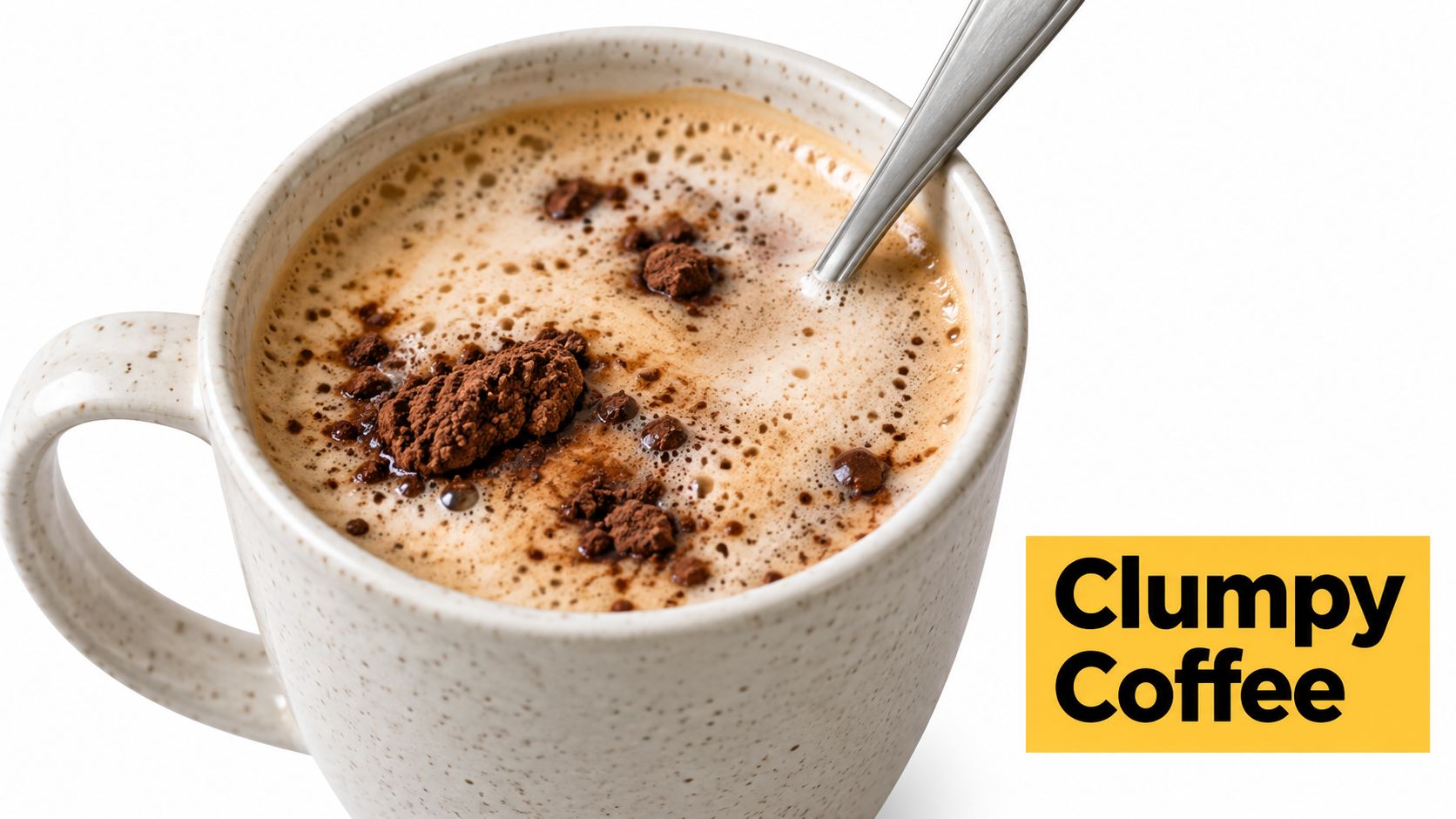
Why the wrong powder clumps
Cocoa particles don't instantly become part of a drink just because they touch hot liquid. The outside of a dry particle can wet first and create a paste around a dry center. That shell protects the remaining powder from the liquid, leaving you with lumps that are difficult to whisk out.
Sweetened cappuccino mixes create a different problem. They often contain sugar, creamer, carriers, and other formulation aids, so you're not just adding chocolate flavor. You're changing the sweetness, body, and reconstitution behavior of the whole beverage.
This distinction matters because powdered cappuccino is a substantial packaged category, not merely a decorative topping. One independent database indexed 201 products, with an average of 251 kcal, 32.9 g of sugars, and 5.8 g of protein per 100 g. It also classified 96% of the products as NOVA 4 ultra-processed, while only 5% of graded products reached Nutri-Score A or B, according to Foodmetria's powdered cappuccino database.
Practical rule: If you want control over chocolate intensity and sugar, start with unsweetened Dutch-processed cocoa. Add sweetness separately rather than asking a premixed powder to do every job.
A smooth cappuccino doesn't require expensive equipment or coffee-house theatrics. It requires treating the chocolate as an ingredient that needs to be dispersed before it meets the foam.
Understanding Chocolate Powder Types
The chocolate aisle contains several products that look interchangeable in a spoon, but they behave differently in a cup. The useful question isn't only “Which one tastes chocolatey?” Ask instead, what was this powder formulated to do?
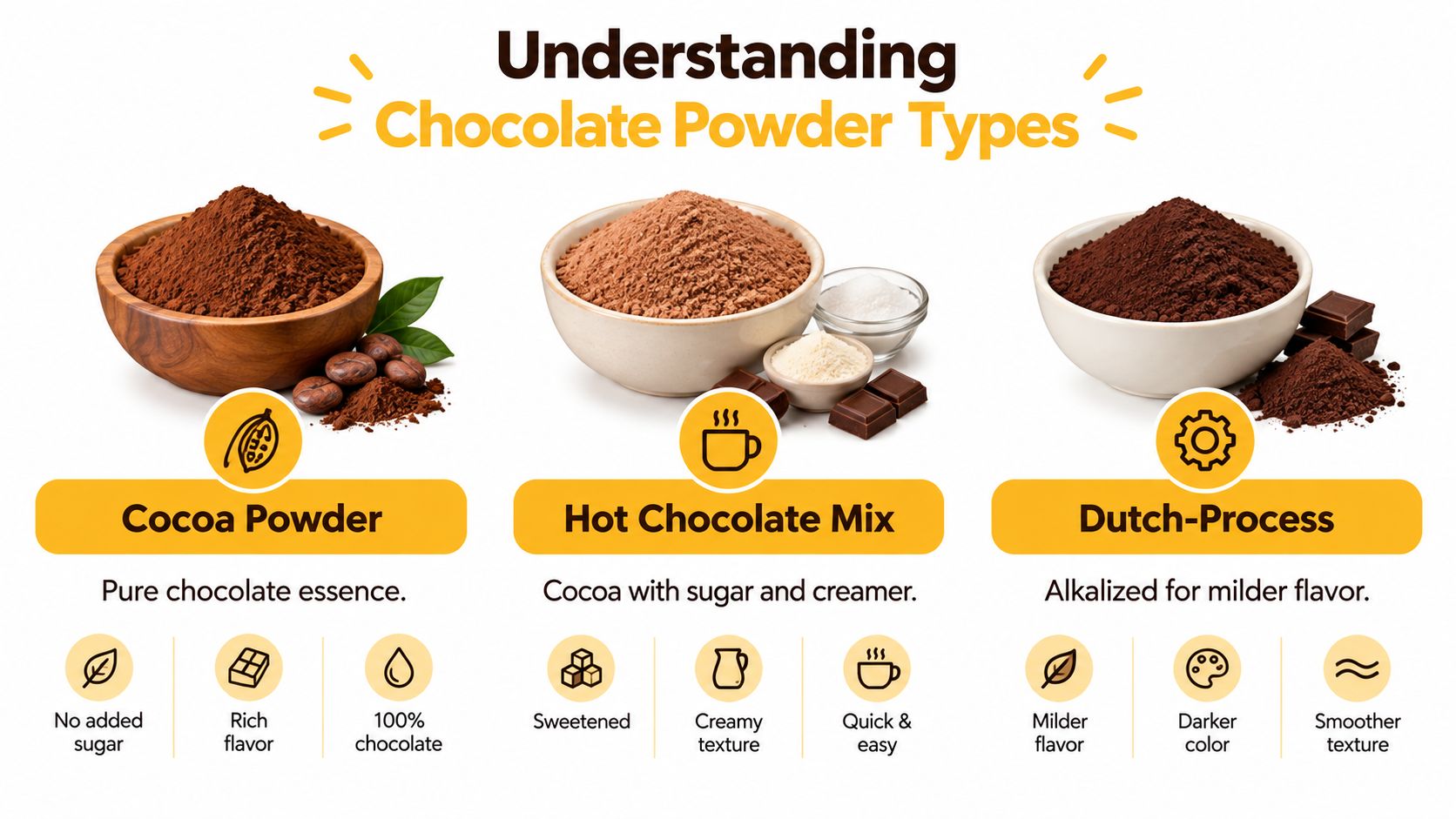
Cocoa powder
Unsweetened cocoa powder gives you the clearest control. It brings concentrated chocolate flavor without automatically adding sugar, and it works well when you want coffee to remain identifiable beneath the chocolate.
Natural cocoa can taste more pointed and acidic. That sharpness can suit a bright coffee, but it may feel less integrated in a creamy cappuccino. Dutch processing changes the cocoa's acidity and color, producing a darker, rounder profile that usually feels more at home with steamed milk.
The key limitation is that ordinary cocoa isn't necessarily instantized. Fine particles can still resist wetting, particularly when they land on foam instead of sinking into the liquid.
Sweetened cappuccino mix
A sweetened mix is the easiest option for a quick, dessert-like drink. It can include sugar, milk or creamer ingredients, cocoa, and carriers intended to improve convenience. The result may dissolve more readily than plain cocoa, but you lose control over sweetness and often get a less distinct chocolate character.
This format makes sense when speed matters more than precision. It's less useful when you want to compare coffee roasts, adjust sugar independently, or keep the drink from becoming heavy.
Instant chocolate drink powder
Instant chocolate products are generally engineered for reconstitution, but the target liquid matters. A powder optimized for hot water may not behave the same way in steamed milk, where fat and milk solids alter wetting and dispersion.
For a visual reference, an IFM Gourmet Food Store chocolate shot shows the sort of dark and milk chocolate formats that can be used for comparison when deciding between a cocoa-led drink and a sweeter chocolate profile.

Check the label before buying. If the product includes substantial sugar and creamer, expect it to act more like a complete beverage base. If it lists cocoa as the main ingredient and little else, you'll have more influence over the final cappuccino. For another useful distinction, this guide to caffeine in cacao powder helps separate cacao terminology from the coffee itself.
Mixing Ratios and Techniques
The most reliable technique is a slurry. Put your cocoa in the cup first, add a small amount of cool liquid, and work it into a smooth paste before adding the coffee or hot milk. This hydrates the particles gradually and prevents the dry center problem that causes clumps.
Use enough liquid to make the paste fluid but not runny. A thin slurry spreads easily, while a stiff paste leaves dry pockets behind. If you're working with a sweetened mix, make the paste with the same liquid you'll use in the drink, then taste before adding any extra sugar.
A dependable sequence
- Build the chocolate base. Add Dutch-processed cocoa to the serving cup. Mix it with a small splash of cool milk or water until no dry pockets remain.
- Add the coffee. Pour in the prepared coffee and stir thoroughly. Coffee gives the cocoa a fluid base before the foam arrives, which makes final integration easier.
- Introduce hot milk. Add the steamed milk in a steady stream while stirring. Don't pour the foam all at once, because a thick cap can trap undispersed powder on the surface.
- Finish with foam. Spoon or pour the foam over the blended coffee and milk. If you want a cocoa finish, dust lightly across the surface instead of burying a large dose in the bubbles.
The order matters because foam is not just hot milk with air in it. Fat can destabilize bubbles by interfering with the air and liquid interface, while emulsifiers can help maintain the structure. A technical review explains that free fat encourages foam collapse and that lecithin can improve cocoa wettability and milk dispersibility; related chocolate-powder work describes highly deoiled cocoa with lecithin as a useful combination for dissolving in milk-like systems, as discussed in this technical review of cocoa and foam behavior.
Adjusting the cup
If the drink tastes dusty, improve dispersion before adding more liquid. If it tastes bitter, reduce the cocoa or use a milder coffee rather than masking it with a large amount of sugar. If it tastes thin, the issue may be the milk texture or coffee concentration, not a shortage of chocolate.
Don't aggressively whisk the finished foam. Stir the liquid base well, then fold the foam in gently. That preserves more of the texture you worked to create.
Pairing Chocolate with Instant Coffee
Instant coffee changes the balance because the coffee is reconstituted before the milk foam is added. That gives you a useful opportunity: dissolve the chocolate and coffee together in the water first, then add steamed or frothed milk separately.
The pairing should depend on the coffee's flavor. A dark Dutch-processed cocoa can add depth to a delicate instant coffee, while a bold coffee may need a softer cocoa profile so the cup doesn't become muddy. Sweetened chocolate mix creates a mocha-like result quickly, but unsweetened cocoa gives you a cleaner way to tune sweetness.

Compare the formats honestly
| Chocolate format | Flavor control | Solubility approach | Foam compatibility |
|---|---|---|---|
| Unsweetened Dutch-processed cocoa | High, because you add sweetness separately | Needs a slurry | Good when dispersed in the liquid first |
| Sweetened cappuccino mix | Limited, because sugar and creamer are built in | Often convenient, but varies by formula | Can make foam feel heavier |
| Instant chocolate drink powder | Moderate | Usually designed for quick reconstitution | Depends on how it handles milk fat |
| Chocolate flakes | Strong chocolate aroma and a more pronounced finish | Better melted or steeped than simply stirred | Best used sparingly as a topping |
The strongest convenience format isn't automatically the best choice for steamed milk. A powder that disappears quickly in water may leave a grainy sensation in a richer drink. A cocoa that needs more preparation can still produce the better cappuccino if you make the slurry first.
A useful variation is a trail-side mocha. Prepare the instant coffee and cocoa with a small amount of hot water, stir until smooth, and add powdered or frothed milk afterward. The instant-coffee mocha method is a practical reference for this approach, especially when you don't have an espresso machine.
For a short demonstration of the kind of preparation that works well in a compact setup, watch the video below.
Chocolate and cappuccino aren't an artificial pairing. Italian café traditions include cappuccino con cacao, a cappuccino finished with cocoa or powdered chocolate. The modern cappuccino developed in northern Italy in the early twentieth century, appeared in cafés by the 1930s, and gained broad international popularity after World War II, according to this history of chocolate cappuccino traditions.
Storage and Quality Preservation
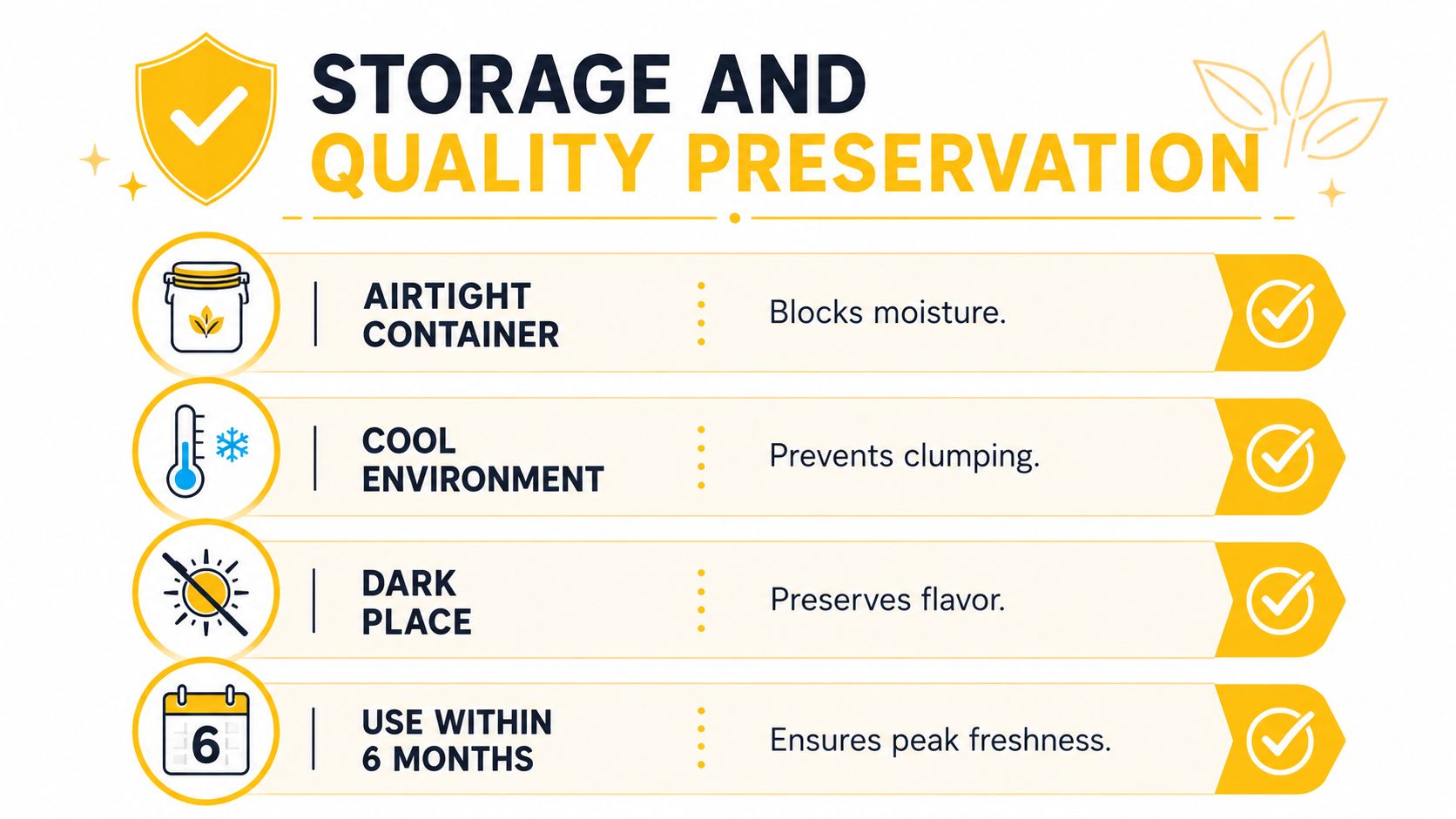
Cocoa powder absorbs moisture from the surrounding air. In a kitchen, the worst storage location is often beside the kettle or steam wand, where repeated exposure to warm, humid air encourages clumping and dulls the aroma.
An airtight container helps, but placement matters just as much. Keep the powder in a cool, dark cupboard away from steam, direct sunlight, and the heat released by coffee equipment. The refrigerator usually creates more problems than it solves because condensation can form when a cold container is opened in a warm room.
A simple quality check
Before adding chocolate to a cappuccino, look at the powder and smell it. A fresh product should have a distinct cocoa aroma. A flat, dusty, stale, or unusual smell is a reason to replace it, especially if the powder has been exposed to moisture.
Clumps aren't always a safety problem. Some can be broken apart by sifting, but persistent compacting tells you that moisture has entered the package. Don't scrape damp powder back into a clean container, because it can spread moisture through the remaining supply.
Use a dry spoon every time. A wet measuring spoon introduces a small amount of water that can start forming lumps inside the container, even if the lid is otherwise secure.
Buy for your actual routine
Large packages look economical, but they make less sense if you use chocolate only occasionally. Smaller quantities are easier to protect from humidity and let you compare natural cocoa, Dutch-processed cocoa, and instant mixes while the products are still aromatic.
Keep instant coffee and chocolate powder in separate airtight containers. Their ideal preparation may overlap in the cup, but storing them together exposes both ingredients to the other's aromas and increases the chance of accidental moisture transfer. For a related perspective on keeping instant coffee usable, see this guide to instant coffee shelf life.
Common Mistakes to Avoid
The biggest mistake is treating every brown powder as the same ingredient. Baking cocoa, sweetened cappuccino mix, instant chocolate drink powder, and finely processed Dutch cocoa may all look similar, but they differ in sweetness, fat, wetting, and intended use.
A second mistake is adding powder directly to foam. Foam gives the powder less liquid contact and makes it easier for dry particles to float, clump, or sit in a layer on top. Make the slurry in the cup first, then add coffee and milk.
The errors that ruin the cup
- Using more powder to fix weak flavor: Extra cocoa can make the drink bitter or chalky. Strengthen the coffee base or choose a more aromatic cocoa instead.
- Skipping the taste check: Sweetened mixes can carry far more sugar than you expect. The broader powdered cappuccino category averages 32.9 g of sugars per 100 g, and 96% of the indexed products are classified as NOVA 4, according to Foodmetria's category data. Read the label and decide whether you want a cocoa cappuccino or a dessert drink.
- Overworking the foam: Vigorous stirring after foaming breaks the bubbles and leaves a flat surface. Blend the chocolate into the liquid, not into the finished cap.
- Ignoring water quality: If your instant coffee tastes harsh after correct preparation, filtered water can provide a cleaner baseline. Mineral-heavy water may emphasize bitterness and astringency, making you blame the cocoa for a problem that began with the water.
- Dusting too heavily: A light surface finish gives aroma and visual appeal. A thick layer can taste dry before it has time to dissolve.
You don't need to eliminate convenience to improve the result. Choose Dutch-processed cocoa when you want control, use a slurry whenever the powder isn't clearly instantized, and reserve sweetened mixes for the occasions when their built-in sweetness is exactly what you want.
Cartograph Coffee offers organic instant coffee for convenient preparation at home, outdoors, or at work, and its instant coffee can serve as the coffee base for a chocolate cappuccino or mocha. Visit Cartograph Coffee to explore the coffee options and build a smoother powdered-chocolate routine around them.