That familiar morning ritual—a warm cup of coffee to start the day—can quickly turn sour when it's followed by the burning sensation of acid reflux. For many, this isn't a coincidence. If your daily cup of joe often leads to heartburn, you’re not alone, and there’s a gentler way to enjoy your favorite brew.
Why Your Morning Coffee Might Be Causing Heartburn
So, what's actually happening inside your body that turns a comforting ritual into a source of pain? The answer is rooted in coffee’s natural makeup and how it interacts with your digestive system.
Think of it this way: your stomach has a protective lining, and there's a small muscular valve, the lower esophageal sphincter (LES), that acts like a gatekeeper between your stomach and esophagus. Its main job is to stay shut, keeping powerful stomach acid safely contained.
Unfortunately, regular coffee can sabotage this system in two distinct ways.
The Two Main Triggers in Your Cup
Two key components in your coffee team up to undermine this protective barrier, making it a powerful trigger for anyone prone to acid reflux.
-
Natural Acids: Coffee is packed with compounds like chlorogenic and quinic acids. While they give coffee its bright, complex flavor profile, they can also directly irritate the stomach lining. This irritation can prompt your stomach to produce even more acid, leading to that all-too-familiar burning sensation.
-
Caffeine: We love caffeine for its kick, but it has another, less desirable effect: it can cause the LES to relax. When that muscular gatekeeper loosens its grip, it creates an open pathway for stomach acid to splash back up into the esophagus. That painful backflow is what we call heartburn.
It’s this one-two punch—irritating the stomach lining while simultaneously weakening the very valve designed to contain stomach acid—that makes regular coffee such a common culprit in reflux.
The good news? You don't have to give up coffee entirely. Understanding these triggers is the first step toward finding a solution. By switching to a specially crafted low acid coffee for acid reflux, you can minimize these irritants while still savoring the rich flavor you love. It’s a simple change that can help you reclaim your morning ritual, pain-free.
What Is Low Acid Coffee and How Is It Made?
If you've ever felt that familiar burn after your morning cup, you know that not all coffee is created equal. Think of it this way: if regular coffee is like watering a sensitive plant with acidic rain, low acid coffee is like using pure, pH-balanced spring water. It’s not some strange new species of coffee; it's simply coffee that has been very intentionally selected and crafted to be gentler on your system.
The whole process starts with the coffee bean itself. Just like apples can range from a tart Granny Smith to a sweet Fuji, coffee beans have their own natural spectrum of acidity. The secret to a stomach-friendly brew is knowing which beans to pick and how to treat them.
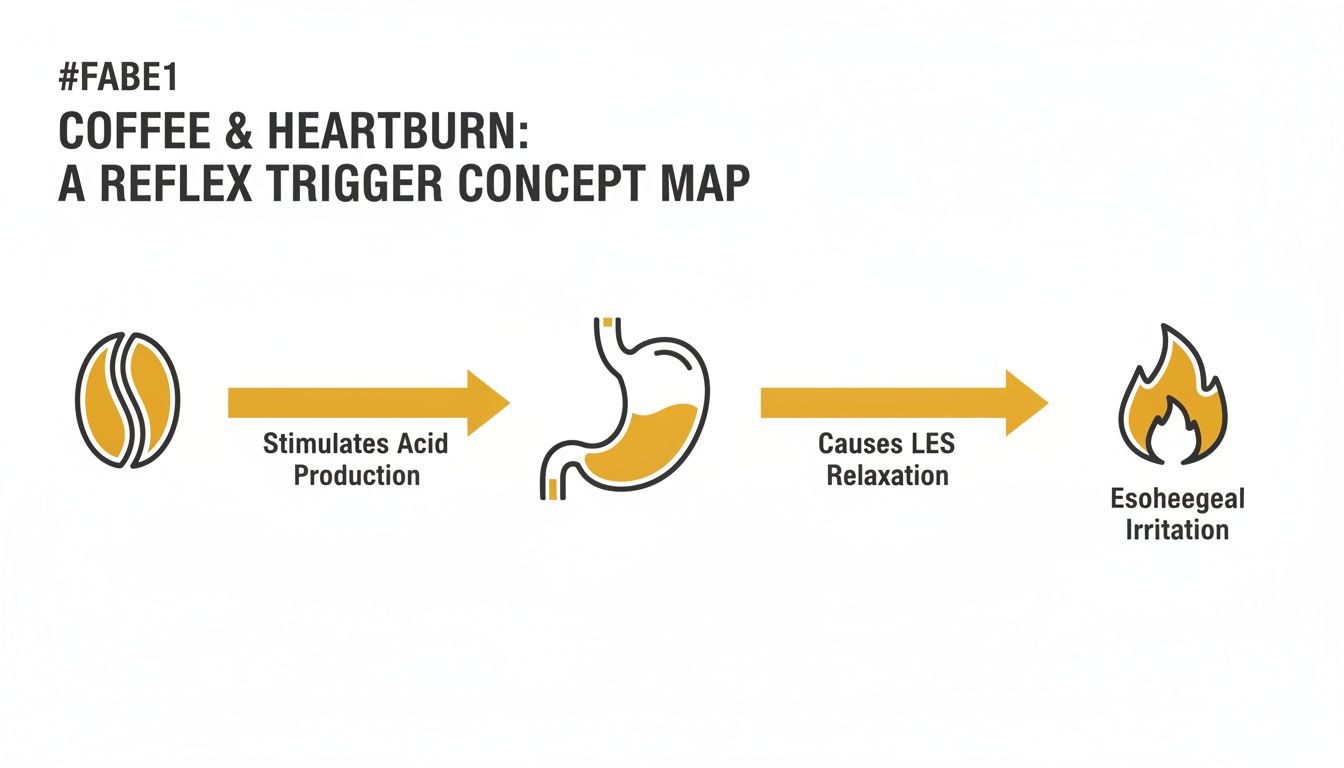
As you can see, certain compounds in coffee can directly lead to irritation and heartburn. That's why choosing beans that are naturally low in these compounds is the crucial first step.
Sourcing Naturally Low Acid Beans
The journey to a gentler cup of coffee begins right at the farm. A few key environmental factors have a huge say in a bean's final acid content.
- Growing Altitude: Coffee grown at lower elevations—think Brazil or Sumatra—tends to be less acidic. The beans mature a bit more slowly in these warmer climates, which helps develop a smoother, mellower flavor.
- Soil Composition: The minerals in the soil play a surprisingly big role. Volcanic soils, for instance, often produce beans with a bright, sharp acidity, while other soil types can yield a much softer profile.
- Bean Variety: Even within the popular Arabica family, acidity levels can vary dramatically. Specialty roasters who focus on low acid coffee for acid reflux are experts at seeking out specific varietals known for their gentle properties.
By carefully selecting beans from just the right regions and farms, a roaster can build a fantastic foundation for a truly smooth coffee experience.
The Roaster's Craft in Reducing Acidity
Once those carefully chosen green coffee beans arrive, it's the roaster's turn to work their magic. Roasting is far more than just "cooking" the beans; it's a delicate dance of heat and time that fundamentally changes their chemical makeup.
The goal is to transform the bean, not just heat it. A good roast breaks down the harsh-tasting chlorogenic acids—the main culprits behind stomach irritation—and coaxes out smoother, more balanced flavors.
Roasters have a couple of primary techniques to get this done:
- Roast Profile: As a general rule, darker roasts are naturally lower in acid. The longer a bean is roasted, the more those acidic compounds are diminished. This is why a French or Italian roast will almost always be easier on your stomach than a light, zippy "breakfast blend."
- Special Treatments: Some producers use a clever pre-roasting steam treatment. This process gently removes some of the waxy outer layer of the green bean, where many of the acidic compounds are concentrated, even before the real roasting begins.
The demand for these stomach-friendly options isn't just a niche trend; it's a significant shift. The global low-acid coffee market has ballooned to an estimated $3 billion, largely because around 20% of adults in North America and Europe deal with acid reflux. While traditional coffee has a pH of about 5.0, these gentler options can reduce acidity by up to 70%. You can explore more market insights on the rise of low-acid coffee to see just how big this movement has become.
The Organic Advantage for Sensitive Stomachs
Beyond the bean's natural acidity and the roast, there’s one more piece to the puzzle: what’s on the bean. Choosing organic coffee adds another layer of assurance, especially if you have a sensitive digestive system.
Conventional coffee farming often relies on synthetic pesticides and herbicides. Unfortunately, residues from these chemicals can cling to the beans and act as gastric irritants, causing discomfort that has nothing to do with the coffee's natural acidity.
When you opt for certified organic coffee, you're getting a brew that's free from these unwanted residues. It’s simply a cleaner, purer choice that aligns perfectly with the goal of finding a coffee that not only tastes amazing but also leaves you feeling great. This is a big reason why a high-quality organic instant coffee can be such a fantastic choice—it combines thoughtful sourcing, expert processing, and the purity of organic farming into one incredibly convenient, stomach-friendly cup.
How to Choose the Best Low Acid Coffee for You
Trying to find the right low acid coffee for acid reflux can feel like a guessing game, but it doesn't have to be. Once you know what to look for, you can easily spot a brew that's both delicious and easy on your system. It all comes down to finding coffees that are naturally smoother and have been treated with care every step of the way.
The quickest clue is almost always the roast level. As a general rule, darker roasts are lower in acid. The longer the beans are roasted, the more the harsh chlorogenic acids break down—these are often the main culprits behind stomach irritation. So, if you see a bag labeled "French Roast" or "Italian Roast," you’re already pointing in a stomach-friendly direction.
Look for Clues From the Bean's Origin
Just like a good wine gets its character from the soil and climate where the grapes were grown, a coffee bean’s acidity is deeply connected to its home. Beans from lower elevations tend to be naturally less acidic. The warmer climates and unique soil in these places help grow a mellower, less biting coffee bean.
When you're browsing for coffee, keep an eye out for beans from these regions:
- Brazil: A powerhouse for smooth, nutty, and famously low-acid coffees.
- Sumatra: Known for its deep, earthy, full-bodied beans with barely any acidic kick.
- Mexico: Often produces coffee with a gentle, well-rounded character.
- Peru: A great source for smooth and mild options that are perfect for sensitive stomachs.
Starting with beans from these places gives you a huge advantage in finding a coffee you’ll love.
Why Choosing Organic Matters
Beyond the roast and origin, going for a certified organic coffee is a really smart move if you're managing acid reflux. Conventionally grown coffee is often treated with synthetic pesticides and herbicides. The residue from these chemicals can act as an irritant, meaning your discomfort might not be from the coffee’s natural acids at all, but from these unwanted extras.
An organic certification is your guarantee that the coffee is clean and pure. It’s your best bet to ensure nothing artificial gets between you and a great-tasting, comfortable cup of coffee.
The growing demand for these gentler options isn't just a niche trend; it's a huge shift in how people think about their health. The low-acid coffee market has exploded, with some analyses valuing it anywhere from $840 million to over $4.8 billion globally. This boom is fueled by the nearly 30% of people in Western countries dealing with acid reflux who are actively looking for alternatives that don't trigger their symptoms. You can read more about the global low-acid coffee market trends to see just how much this movement is changing the coffee industry.
Finding Your Perfect Low Acid Coffee
Making the right choice is much easier when you have a clear roadmap. To help you connect the dots, we've put together this quick-reference table. It breaks down the most important factors so you can find a coffee that truly works for you.
| Feature | Why It Matters for Acid Reflux | What to Look For |
|---|---|---|
| Roast Level | Darker roasts have fewer acidic compounds that can cause irritation. | Labels like "Dark Roast," "French Roast," or "Italian Roast." |
| Bean Origin | Coffee from low-altitude regions is naturally less acidic. | Beans sourced from Brazil, Sumatra, Mexico, or Peru. |
| Organic Certification | Ensures the coffee is free from chemical residues that can act as irritants. | The official USDA Organic seal on the bag. |
| Brand Transparency | Reputable brands will be upfront about their coffee's low-acid qualities. | Clear "Low Acid" or "Stomach-Friendly" messaging on the label. |
After weighing your options, you might find that the best fit is one that combines all these qualities with convenience. And if you're dealing with a particularly tricky digestive system, you might want to check out our detailed guide on the best coffee for a sensitive stomach for more tailored advice.
For the ultimate blend of quality and ease, a premium organic instant coffee is an excellent choice. A product like Cartograph’s Voyager Instant Coffee is made from carefully selected low-acid organic beans that are expertly roasted to create a consistently smooth, gentle flavor. It’s the perfect reliable option for busy mornings or outdoor adventures when you want a great cup without the fuss—or the burn.
Brewing Methods That Further Reduce Acidity
Picking the right low-acid beans is a great first step, but what if I told you the way you brew your coffee can slash acidity even more? It’s true. Your brewing method isn't just about taste; it dramatically changes the chemical makeup of your final cup. With a few simple tweaks, you can have even more control over creating a brew that’s kinder to your stomach.
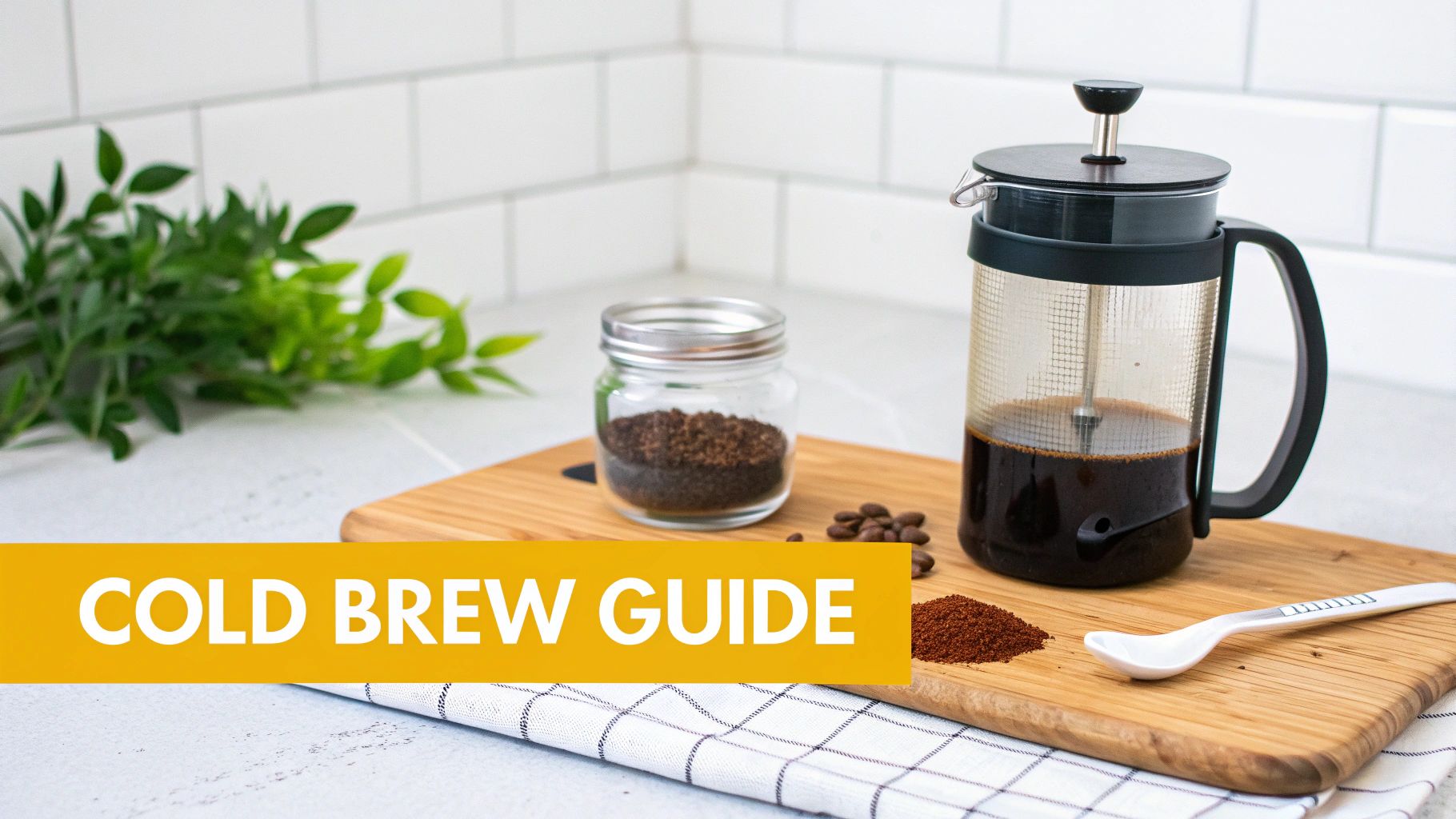
This is fantastic news for anyone trying to manage acid reflux. It puts another powerful tool in your hands to fine-tune your coffee ritual for pure enjoyment, without the uncomfortable side effects.
The Cold Brew Method: A Stomach-Friendly Superstar
If there’s one champion of low acid coffee for acid reflux, it’s cold brew. This method flips the script on traditional brewing. Instead of using heat to quickly pull flavor from the grounds, cold brew uses time. The coffee grounds steep in cold or room-temperature water for 12 to 24 hours.
This long, slow extraction process is fundamentally different. Hot water is aggressive—it yanks out all sorts of compounds, including the brighter, more acidic ones that can irritate a sensitive stomach. Cold water is much more selective. It gently coaxes out the smooth, chocolatey, and naturally sweet flavors, leaving many of the harsher acids behind.
The result is a coffee that can be up to 67% less acidic than the exact same beans brewed hot. That's a massive difference, making cold brew a go-to choice for anyone with a sensitive digestive system.
And the best part? It's incredibly easy to make at home.
- Combine: Grab a jar and mix coarsely ground coffee with cold, filtered water. A good starting point is a 1:8 ratio of coffee to water.
- Steep: Cover it up and let it hang out on your counter for at least 12 hours. The longer you let it go, the stronger your concentrate will be.
- Strain: Pour the mixture through a fine-mesh sieve, some cheesecloth, or even just plunge a French press to separate the liquid from the grounds.
- Serve: You’ve now got a coffee concentrate! Dilute it with water or milk to get it just right. Enjoy it over ice or heat it gently on the stove for a warm, low-acid treat.
Other Gentle Brewing Techniques
While cold brew wears the crown for low acidity, it's not the only option. A couple of other methods can also help you brew a smoother, more comfortable cup.
- French Press with a Coarse Grind: When you use a coarse grind, you reduce the coffee's total surface area. This means the water extracts compounds more slowly and less aggressively, which can help keep acidity down. A French press is perfect for this, giving you a rich, full-bodied brew that’s often much gentler than what you’d get from a drip machine.
- Espresso Shots: This one might surprise you. Because an espresso shot is extracted so quickly (think 25-30 seconds), the hot water simply doesn't have enough time to pull out many of the harsh acids. For some people, a small, concentrated shot of espresso is far easier on the stomach than a big mug of drip coffee.
For a deeper dive into more brewing strategies, check out our guide on how to reduce the acidity of coffee for even more tips and tricks.
The Instant Advantage: No Special Brewing Needed
Let's be real—sometimes you just want a reliably low-acid cup without the wait or the extra gear. This is where a high-quality organic instant coffee shines as the ultimate hassle-free solution.
A premium instant coffee, like ours at Cartograph, is designed to be stomach-friendly from the very beginning. We start with carefully sourced low-acid organic beans, brew them to perfection under controlled conditions, and then crystallize the coffee. This process locks in a smooth, gentle flavor profile and takes all the guesswork out of it for you.
Just add hot water, and you get a consistently delicious and comfortable cup every single time. It's the perfect answer for busy mornings, travel, or any time you need great coffee without the fuss.
Lifestyle Tips for Managing Acid Reflux with Coffee
Finding a great low acid coffee for acid reflux is a fantastic first step. But to really get the most out of it, a few small tweaks to your routine can make a world of difference. Think of your low-acid coffee as the main act—these lifestyle tips are the supporting cast that makes the whole show a success. When you combine a gentler brew with a few mindful habits, you've got a solid plan for enjoying your coffee without the burn.
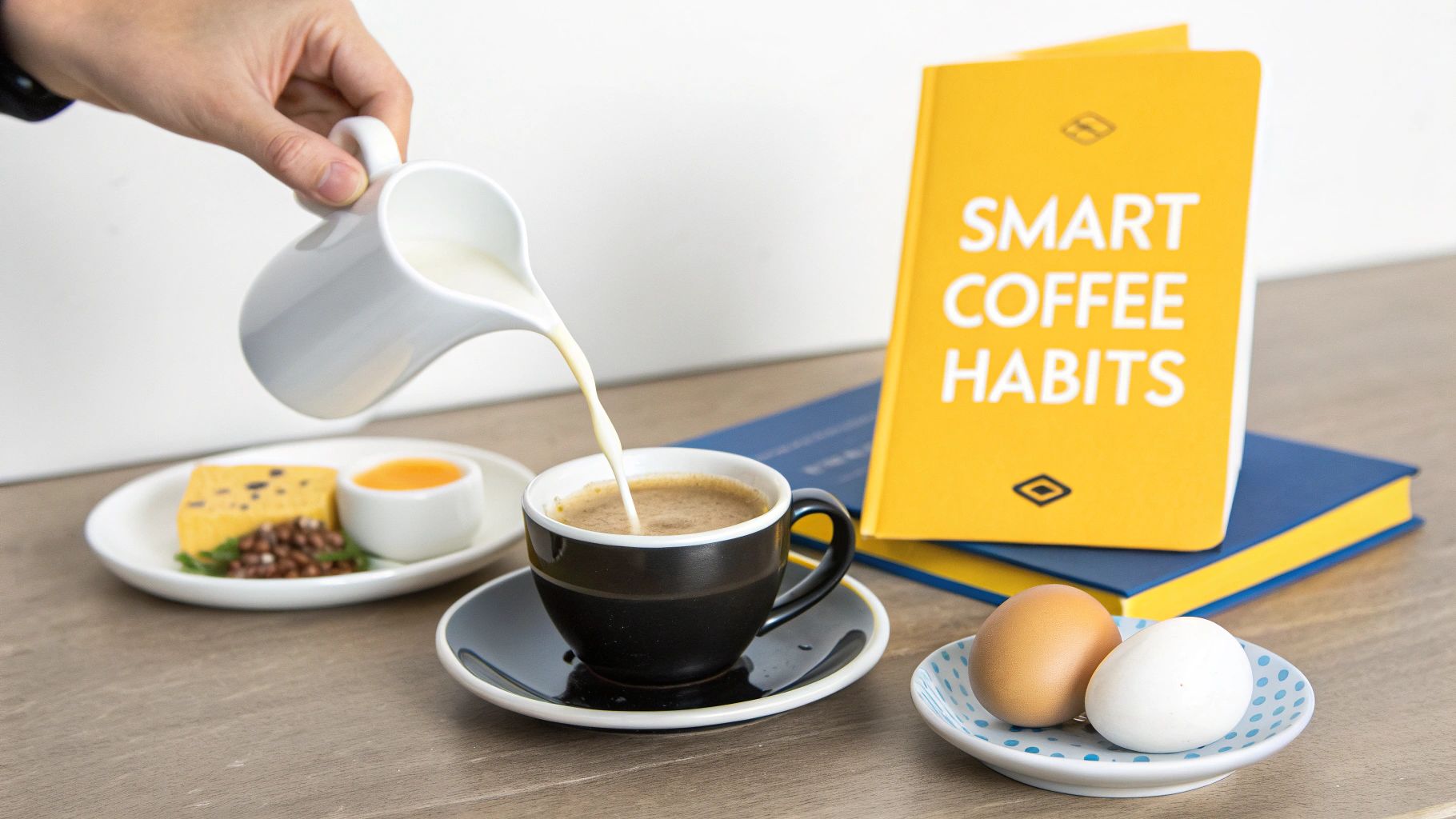
It’s these simple adjustments that can have a surprisingly big impact, letting you savor the flavor in your cup instead of worrying about discomfort later.
Never Drink Coffee on an Empty Stomach
Pouring coffee into an empty stomach is like asking for trouble; it can kick stomach acid production into high gear. The simple fix? Always have your coffee with food. A good meal acts like a sponge, soaking up some of that acid and slowing down the digestive process.
For the best defense, try a breakfast that’s high in protein and healthy fats.
- Eggs: Scrambled, poached, or hard-boiled are all great.
- Oatmeal: A bowl of oats is fantastic, especially with a scoop of protein powder mixed in.
- Greek Yogurt: A creamy, protein-rich option that’s easy on the stomach.
A small, balanced meal gives that stomach acid something productive to do instead of irritating your stomach lining. This one shift can dramatically cut down your chances of heartburn. A better morning routine often leads to a better gut—you can learn more in our guide on the best coffee for gut health.
Honestly, this single habit might be the most effective change you can make.
Watch What You Add to Your Cup
What goes in your coffee is just as important as the coffee itself. So many common additions can unknowingly ramp up acidity or trigger reflux.
- Choose Alkaline-Friendly Milk: Try switching from dairy to unsweetened almond or soy milk. They're more alkaline and can help balance things out.
- Avoid Excessive Sugar: Too much sugar can fuel inflammation and make reflux symptoms worse. If you need sweetness, try a bit of stevia or monk fruit.
- Skip the Acidic Creamers: Many flavored creamers are loaded with sugar and acidic preservatives. It's best to stick with simple, unsweetened options.
Beyond coffee, adding some herbal teas specifically for reflux relief into your routine can also provide some natural, soothing support. This growing interest in gut-friendly options is a big deal. The low-acid coffee market is on track to double to $2.5 billion, largely because the 60 million Americans with acid reflux are looking for a better way. In fact, some studies have found that simply changing coffee varieties can lead to a 45% reduction in heartburn, particularly when paired with food.
Mind Your Portions and Hydration
Finally, don't forget the power of moderation and hydration. Even the gentlest low-acid coffee can cause problems if you overdo it. Aim for one or two thoughtfully-timed cups a day and leave it at that.
At the same time, keep a water bottle handy. Drinking plenty of water helps dilute stomach acid and keeps your entire digestive system running more smoothly. Staying hydrated builds a more resilient gut, making your coffee ritual something you can truly enjoy, worry-free.
Got Questions About Low-Acid Coffee? We've Got Answers.
Switching to a gentler brew is a great move, but it's natural to have a few questions before you dive in. We hear these a lot, so we've pulled together the answers to help you feel great about the coffee you're choosing.
Does Low-Acid Coffee Taste Different?
It sure does, and honestly, most people prefer it. Think smoother, mellower, and richer. Low-acid coffee dials back the sharp, tangy bite that can make some coffees taste bitter.
Instead, you get to experience the deeper, more comforting flavor notes of the bean—think chocolate, roasted nuts, and caramel, especially in darker roasts. A great low-acid coffee isn't about removing flavor; it's about removing the harshness so the best flavors can shine through.
Is Decaf Coffee Automatically Low in Acid?
That’s a common mix-up, but no, they're two different things. Decaffeination is one process, and lowering acid is another. Caffeine can be a problem for reflux because it can relax the muscle that keeps stomach acid where it belongs (the lower esophageal sphincter, or LES). But the actual acidity of the coffee bean is a separate issue. You can easily have a high-acid decaf.
The good news? Many roasters who focus on low-acid coffee for acid reflux know their audience and offer fantastic decaf versions. Just be sure to check the label for the words "low acid" to get the stomach-friendly benefits you're looking for.
Can I Just Add Milk to My Regular Coffee to Lower the Acid?
Pouring in some milk or a splash of almond milk can take the edge off, yes. It acts as a buffer and nudges the pH level up a tiny bit. Think of it as a quick, temporary fix.
But for anyone truly sensitive to acid, it's often not enough to stop symptoms from popping up. The milk doesn't change the coffee's fundamental acidity. The best approach is always to start with a naturally low-acid coffee bean from the get-go instead of trying to mask the acid in a high-acid brew.
A low-acid foundation is always more effective than a high-acid coffee with additions. It addresses the root of the problem for more reliable comfort.
Is Organic Instant Coffee a Good Low-Acid Option?
It can be an excellent low-acid option, as long as you're choosing a quality one. A premium organic instant coffee often starts with beans that are already low in acid. These beans are then roasted and brewed perfectly before being crystallized.
This process essentially locks in that smooth, gentle profile. It takes the guesswork out of brewing, so you don't have to worry about over-extraction or other variables that can crank up the acid. It’s a super convenient way to get a consistently stomach-friendly cup, every single time.
Ready to reclaim your morning ritual without the burn? Cartograph Coffee offers premium organic instant coffee, crafted from naturally low-acid beans for a rich, smooth, and stomach-friendly experience.