If you're trying to figure out the best coffee for gut health, the short answer is usually a low-acid, dark roast, organic coffee enjoyed without sugar or artificial creamers. This combination dials down potential irritants and ramps up the good stuff that supports a healthy gut.
The Surprising Link Between Your Morning Coffee and Gut Health

For a long time, the conversation around coffee and digestion was pretty one-sided. Most people just focused on the stimulating jolt from caffeine, worrying that their daily cup was probably upsetting their stomach.
But as we learn more, the story is getting a lot more interesting—and positive. New research shows that when you choose and prepare it correctly, coffee can actually be a fantastic ally for your gut microbiome.
Imagine your gut is a bustling garden, home to trillions of tiny microorganisms. Just like any garden, it needs the right kind of care to thrive. This is where the right kind of coffee comes in. It doesn't act like a harsh weed killer; instead, it can be like a specialized fertilizer for your internal ecosystem.
Beyond the Buzz: What Makes Coffee Gut-Friendly?
The real magic is in the compounds that have nothing to do with the caffeine buzz. Coffee beans are loaded with polyphenols and soluble fiber, which are basically superfoods for the good bacteria in your gut. They act as prebiotics.
When these beneficial microbes get the food they love, they thrive and produce all sorts of helpful things, like short-chain fatty acids (SCFAs). These acids are crucial for keeping your gut lining strong and taming inflammation. So, a healthier gut isn't about drinking more coffee; it's about drinking smarter coffee. Learning the basics of how to improve gut health and finally feel your best can provide a great foundation for this approach.
This guide is designed to help you navigate the key factors that make your daily brew either a friend or foe to your digestive system. We’ll break down:
- Roast Level: Why darker roasts are often easier on your stomach.
- Acidity: How to pick beans that won't cause discomfort or acid reflux.
- Additives: The sneaky ways sugar and creamers can disrupt your microbiome.
- Bean Quality: Why choosing organic matters for avoiding unwanted chemicals.
By making a few small, deliberate tweaks to your coffee habit, you can turn your daily ritual into a powerful tool for supporting your digestive well-being.
Getting a handle on these elements gives you the power to make better choices. You can keep enjoying the coffee you love while also doing something great for your gut. It’s all about turning your coffee routine into a conscious act of self-care that works from the inside out.
How Coffee Actually Interacts with Your Gut Microbiome
To get why some coffees are kinder to your gut than others, we need to zoom in and look at what's happening on a microscopic level. Your gut isn't just a simple tube; it’s a bustling ecosystem, home to trillions of microorganisms collectively known as your microbiome. Picture it as a complex internal garden—some plants are helpful, others, not so much.
The right kind of coffee acts like a premium fertilizer for this garden. This is all thanks to powerful compounds called polyphenols, especially a group known as chlorogenic acids. These are the real unsung heroes in your morning mug.
These polyphenols don't just get absorbed and disappear. They travel all the way down to your colon, where they become a five-star meal for your beneficial gut bacteria. This is what makes coffee a prebiotic—it’s not just a drink for you, it's food for your friendly microbes, helping them thrive.
Fueling the Good Guys in Your Gut
When your good bacteria feast on the polyphenols from coffee, they don't just multiply. They also produce some incredibly valuable byproducts, chief among them being short-chain fatty acids (SCFAs).
Think of SCFAs as the skilled maintenance crew for your gut, performing several critical jobs that keep your whole body running smoothly.
- Strengthening the Gut Barrier: They're the primary energy source for the cells lining your colon. This keeps the gut wall strong and sealed, preventing unwanted stuff from leaking into your bloodstream.
- Reducing Inflammation: SCFAs have potent anti-inflammatory properties that help soothe irritation throughout your digestive system.
- Supporting Overall Health: These little powerhouses influence everything from your immune system and metabolism to your mood, thanks to the gut-brain connection.
The most famous of these SCFAs is butyrate. A healthy level of butyrate is directly tied to a happy colon and a balanced inflammatory response.
Coffee Boosts Key Butyrate-Producing Bacteria
Fascinating new research is drawing a direct line between drinking coffee and the health of specific gut microbes. It turns out that regular coffee drinkers often have significantly higher populations of a particular good guy: Bifidobacterium.
These bacteria are absolute rockstars in the gut world, known for their ability to produce beneficial compounds and maintain a healthy, balanced ecosystem.
By feeding bacteria like Bifidobacterium, coffee helps create an environment where the good microbes can flourish. This naturally crowds out the less desirable microbes that can lead to bloating, digestive upset, and inflammation.
In short, drinking the right coffee helps tip the scales in favor of a healthier, more diverse, and more resilient microbiome. Its prebiotic effect provides a direct food source for the microbes you want, which in turn produce the compounds your gut needs to stay strong.
Of course, coffee is just one piece of the puzzle. A holistic approach is key, which means looking at your whole diet. For example, the relationship between probiotics and sugar cravings can deeply influence your gut health by determining which microbes get the upper hand.
The Role of Chlorogenic Acid and Antioxidants
Beyond just feeding your gut bugs, coffee's polyphenols are also powerful antioxidants. Chlorogenic acid, one of the most abundant polyphenols in coffee beans, is fantastic at fighting oxidative stress—a type of cellular damage that contributes to chronic inflammation and disease.
This two-for-one punch is what makes high-quality coffee so special. It directly nourishes your good gut bacteria while its antioxidant properties protect your cells from damage. It's a powerful synergy for your digestive wellness.
But here's the catch: not all coffee is created equal. The concentration of these beneficial compounds can change dramatically based on the coffee bean itself, where it was grown, and especially how it was roasted. Darker roasts, for instance, tend to have less chlorogenic acid but may contain other compounds that are easier on the stomach. Finding the best coffee for your gut health is all about striking the right balance for your body.
Decoding the Attributes of Gut-Friendly Coffee
Figuring out what makes a coffee "gut-friendly" isn't about chasing a single magic bean. It's more about understanding how a handful of key factors work together—from the way the bean is roasted to what you stir into your cup. Each choice can either support your digestive system or, unfortunately, work against it.
The goal is pretty simple: dial down the potential irritants while turning up the beneficial compounds that your microbiome loves. By getting to know a few key coffee attributes, you can consciously choose a brew that not only tastes incredible but also feels good. This elevates your daily ritual from a simple habit into a deliberate act of wellness.
Why Darker Roasts Are Often Kinder to Your Stomach
One of the most significant choices you can make for your gut is the roast level of your coffee. While light roasts get a lot of love for their bright, complex flavors, they also tend to be higher in acids—specifically, chlorogenic acids. These compounds are great antioxidants, but for some people, they can be a one-way ticket to stomach discomfort or acid reflux.
The roasting process dramatically changes the bean's chemistry. When beans are roasted longer at higher temperatures to create a dark roast, a couple of important things happen:
- Acids Break Down: That prolonged heat literally cooks away much of the chlorogenic acid. The result is a coffee that's naturally lower in acidity and much gentler on the stomach lining.
- A Helpful Compound is Created: Dark roasting produces a unique compound called N-methylpyridinium (NMP). Studies have shown this molecule actually helps stomach cells produce less acid, providing an extra layer of digestive comfort.
This is why a rich, bold dark roast is often the better pick for anyone looking for a truly gut-friendly coffee without the irritation.
This visual shows how the right kind of coffee can act as a prebiotic, feeding good bacteria and boosting the production of beneficial compounds like butyrate.
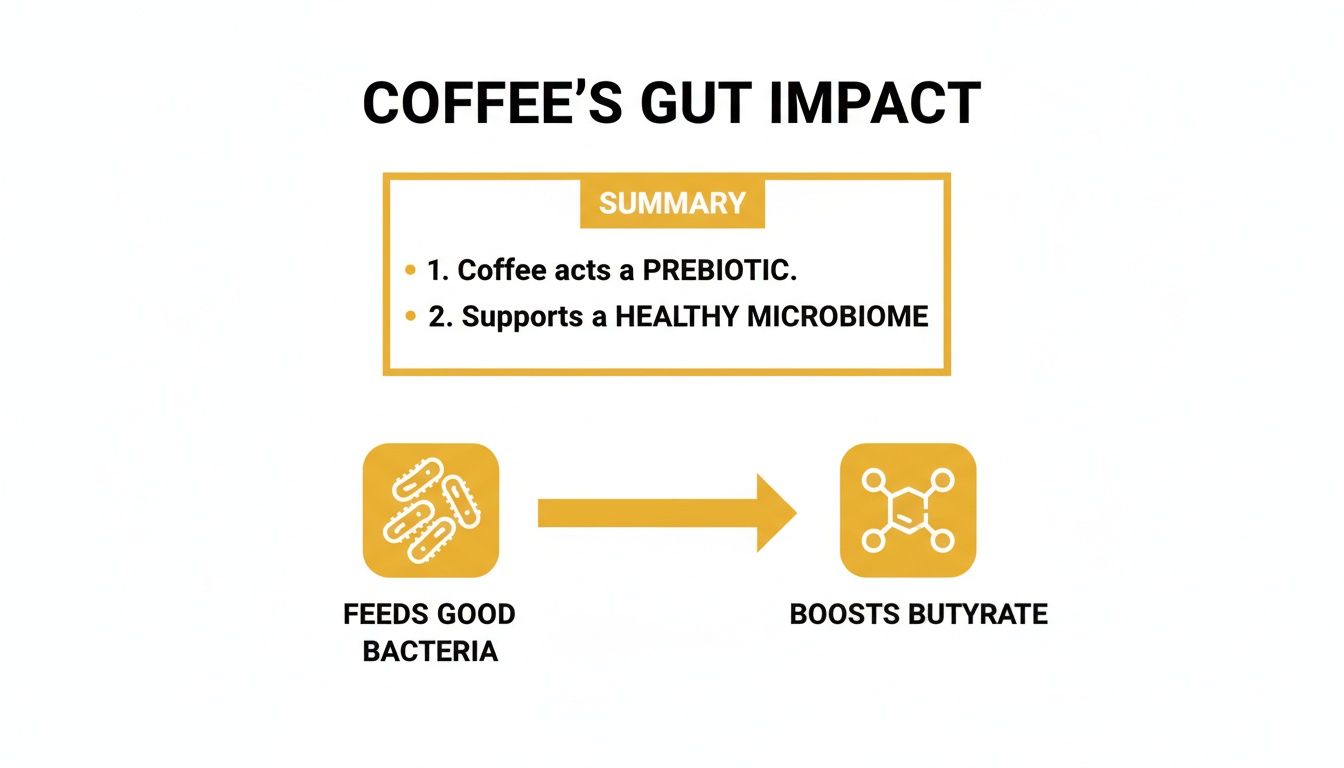
By choosing attributes like a dark roast, you're enhancing these positive effects while sidestepping potential discomfort.
The Critical Role of Organic Beans
Beyond the roast, how the coffee is grown matters immensely. Conventionally grown coffee is one of the most heavily sprayed crops on the planet, often treated with a cocktail of synthetic pesticides, herbicides, and fungicides. It's inevitable that some of these residues can make their way into your final cup.
These chemicals can throw your gut microbiome out of whack, potentially harming the very same beneficial bacteria you're trying to nurture. Choosing certified organic coffee is the most straightforward way to dodge this issue. Organic farming standards forbid the use of these synthetic chemicals, which means you get a much cleaner bean.
When you choose organic, you're not just getting coffee. You're getting coffee without the unwanted chemical baggage that can interfere with your gut's natural harmony.
The Trouble with Additives: Sugar and Artificial Creamers
You could have the highest-quality, most gut-friendly coffee in the world, but it can all be undone by what you add to it. Sugars, artificial sweeteners, and highly processed creamers are three of the biggest offenders that can cancel out coffee's health benefits.
- Sugar: This is a favorite food for "bad" gut bacteria, encouraging an environment of inflammation and imbalance.
- Artificial Sweeteners: Research suggests that some, like sucralose and saccharin, can negatively alter the gut microbiome.
- Processed Creamers: These are often loaded with hydrogenated oils, thickeners, and artificial flavors that can irritate the gut.
Time and again, large population studies find that the healthiest coffee is consumed in moderation, mostly black or unsweetened, and made from high-quality beans. It's not the ultra-sweet, processed coffee drinks. A recent major review concluded that moderate coffee intake—up to 4 cups per day—is linked to greater gut microbial diversity and a boost in beneficial bacteria. Discover more about the effects of coffee on gut microbiota.
Choosing Your Gut-Friendly Coffee: A Quick Comparison
Making a smart choice is a lot easier when you can see everything side-by-side. Use this table as a quick reference next time you're picking out your coffee.
| Attribute | Better for Gut Health | May Cause Irritation | Why It Matters |
|---|---|---|---|
| Roast Level | Dark Roast | Light Roast | Lower in acids and contains NMP, which can help reduce stomach acid production. |
| Bean Quality | Certified Organic | Conventional | Avoids pesticide residues that can disrupt the delicate balance of your microbiome. |
| Additives | Black or with unsweetened nut milk | Sugar, artificial sweeteners, processed creamers | Sugar and artificial additives can feed harmful bacteria and cause inflammation. |
| Acidity | Low-Acid Beans | High-Acid Beans | Less likely to trigger acid reflux, heartburn, or stomach discomfort in sensitive individuals. |
By keeping these four pillars in mind—a dark roast, organic beans, no harmful additives, and low acidity—you'll be well on your way to building a truly gut-friendly coffee experience.
The Power of Polyphenols in Your Coffee
When we think about coffee, caffeine usually steals the show. But if we're talking about gut health, the real stars are a group of micronutrients you might not have heard of: polyphenols. These powerful plant compounds are what give coffee its impressive prebiotic punch.
Think of polyphenols as premium fertilizer for the garden in your gut. They’re tough enough to survive the long journey through your digestive system, finally arriving in the colon where they become a feast for your beneficial bacteria. This is what helps you cultivate a thriving, balanced internal ecosystem.
This isn’t just some minor side effect, either. It’s a key reason why high-quality coffee can be such a gut-friendly drink. The presence of these compounds shows that the quality of your beans matters far more than just the caffeine kick. Understanding the health benefits of organic coffee really drives home how clean, well-sourced beans play a role in overall wellness.
Unlocking the Prebiotic Effect
What's really fascinating about these polyphenols is how they specifically feed the "good guys" in your gut. They act as prebiotics—specialized fuel that helps beneficial microbes multiply and flourish. When your friendly bacteria are well-fed, they can easily outcompete the less desirable microbes.
The result is a more diverse and resilient microbiome, which is the foundation of good digestive health. The real magic happens when these good bacteria digest the polyphenols and produce valuable compounds in return, like butyrate. Butyrate is a short-chain fatty acid that’s crucial for strengthening your gut lining and tamping down inflammation.
The Decaf Connection and a Key Bacterium
So, do you need the caffeine to get these gut-boosting benefits? Nope, and the evidence is pretty clear on this. The prebiotic effects are tied directly to the polyphenols, which are found in both regular and decaf coffee.
This means everyone can get in on the benefits, regardless of their caffeine tolerance. Research shows just how different the microbiomes of coffee drinkers are.
A massive multi-cohort study discovered that the gut microbiomes of coffee drinkers were distinctly different from non-drinkers. One bacterium, Lawsonibacter asaccharolyticus, was found to be 4.5 to 8 times higher in coffee drinkers across 25 different countries.
What’s more, this was true no matter how much coffee people drank. And, critically, the effect was still there with decaffeinated coffee. This points straight to polyphenols, not caffeine, as the main driver behind this incredible gut-friendly shift. The bacterium Lawsonibacter asaccharolyticus happens to be a key producer of that all-important, gut-fortifying butyrate.
So, when you're choosing your daily brew, remember you're doing more than just waking up your brain. You're sending a targeted nutritional boost to trillions of helpful allies in your gut. By focusing on high-quality, high-polyphenol beans, you can turn your coffee ritual into an enjoyable way to support your digestive wellness from the inside out.
Finding Your Gut-Healthy Coffee Sweet Spot
When it comes to coffee and your gut, the old saying "more isn't always better" really hits home. We've talked about how quality and preparation make a huge difference, but the sheer quantity you drink is just as important. It’s all about finding your personal "sweet spot" to make sure your daily cup is helping your gut, not hurting it.
So, what's the magic number? For most of us, the sweet spot falls under the umbrella of moderate consumption. That might sound vague, but it’s actually a pretty solid guideline backed by a lot of health research.
What Does "Moderate" Actually Mean?
In the world of gut health, moderate coffee drinking is generally defined as 1 to 4 cups per day. This isn't just a number pulled out of a hat; it's the range that consistently pops up in studies showing positive digestive outcomes.
Staying in this zone gives your body a healthy dose of those beneficial polyphenols without overwhelming your system with too much caffeine or acid. It's like watering a houseplant—a little bit helps it thrive, but too much will drown the roots. Your gut works on a similar principle.
This moderate approach has plenty of clinical backing. Research consistently links this level of intake to real benefits. For instance, one recent review found that drinking less than four cups a day was tied to better bowel motility and a lower risk of certain functional bowel issues. You can learn more about coffee's link to improved gut health and how quantity fits into the picture.
The Power of Bio-Individuality
While that 1-to-4 cup guideline is a great place to start, it's not a one-size-fits-all rule. The single most important factor here is bio-individuality—the simple truth that your body is completely unique. Your genetics, your lifestyle, and how sensitive your gut is to begin with will all shape how you react to coffee.
Your body is the ultimate expert. The best coffee for your gut isn't just about the bean; it's about the amount that leaves you feeling energized and comfortable—not jittery or bloated.
Listening to your body is non-negotiable. One person might feel fantastic drinking three cups a day, while for someone else, one cup is the perfect amount. It all comes down to paying attention to the signals your digestive system is sending you. For more specific advice, our guide on the best coffee for a sensitive stomach can help you figure out your personal tolerance.
How to Find Your Personal Limit
If you're not sure where your sweet spot is, a little careful self-experimentation is the best way to find out. This simple process can help you dial in the perfect amount for your body.
- Start Small: Begin with just one small cup of a low-acid, dark roast coffee in the morning. See how you feel for a few days.
- Monitor Your Symptoms: Really pay attention to your digestion. Notice any bloating, discomfort, or changes in your bathroom habits?
- Increase Slowly: If you're feeling good after a few days, try adding a second cup. Keep a close eye on how your body responds.
- Recognize the Signs: If you start to feel anxious, jittery, or notice any digestive upset, you’ve probably found your limit. Simply scale back to the amount where you felt your best.
This mindful approach lets you enjoy all the gut-friendly perks of coffee with confidence, knowing you’re giving your body exactly what it needs without pushing it too far.
Your Action Plan for a Gut-Friendly Coffee Routine

Turning your daily coffee into a pro-gut health ritual doesn’t mean you have to give it up. Far from it. It's really just about a few small, deliberate tweaks that can make a world of difference for your digestive system over time.
Once you understand how things like roast level, acidity, and additives play a role, you can start making smarter choices. Your coffee habit transforms from a morning necessity into a genuine act of self-care, one that supports your body from the inside out.
Your Quick-Start Checklist
To get started, focus on these fundamentals. Think of them as the building blocks for creating a coffee routine your gut will thank you for.
-
Go Dark and Low-Acid: Make dark roasts your default. They have naturally lower levels of the acids that can cause irritation. For those who are extra sensitive, learning how to reduce the acidity of coffee can be a game-changer.
-
Choose Organic Beans: Always try to buy certified organic coffee. This simple step helps you dodge the pesticide residues that can throw your delicate gut flora out of whack.
-
Skip the Sugars: This is a big one. Ditch the sugar, artificial sweeteners, and heavily processed creamers. These ingredients often feed the "bad" bacteria in your gut, effectively canceling out the good stuff coffee has to offer.
When you make these simple swaps, you’re clearing the way for coffee's beneficial polyphenols to do their job. You’re letting them nourish your gut microbiome without having to fight through a bunch of common irritants and inflammatory additives.
This isn't about restriction; it's about empowerment. Now you have the know-how to make informed choices, listen to what your body is telling you, and finally build a better coffee habit. Every cup is a new opportunity to do something positive for your digestive well-being.
A Few Lingering Questions About Coffee and Your Gut
Even with a solid plan, you probably still have a few specific questions about how to make your daily coffee work for your digestive health, not against it. Let's dig into some of the most common ones I hear.
Is Dark Roast Coffee Actually Better for My Stomach?
Yes, in most cases, dark roast coffee is significantly easier on the stomach. It's not just a myth. The longer roasting time fundamentally changes the bean's chemistry in a way that benefits sensitive stomachs.
As the beans roast longer and hotter, more of the chlorogenic acids—often the culprits behind irritation—are broken down. Even better, this process creates more of a unique compound called N-methylpyridinium (NMP). Studies have shown that NMP actually tells your stomach cells to dial back acid production, which is a game-changer if you're prone to heartburn or indigestion.
Does Instant Coffee Have the Same Gut Benefits?
A high-quality instant coffee can absolutely offer similar gut-friendly perks, but the devil is in the details. A well-made, organic instant coffee that's freeze-dried is designed to preserve the bean's beneficial polyphenols. These are the very compounds that act as prebiotics to feed your good gut bugs.
The trouble starts with the cheap, mass-market instant coffee mixes. They're often packed with sugar, hydrogenated oils, artificial creamers, and a laundry list of additives that can wreak havoc on your gut. So, if you choose a pure, additive-free instant coffee, you can get all the convenience without sacrificing the prebiotic potential that makes coffee so good for you in the first place.
The takeaway is simple: whether it's brewed or instant, the quality and purity of the coffee are what matter most for gut health. Always check the ingredients to ensure you're getting just coffee, not a mix of gut-disrupting additives.
Can I Drink Coffee If I Have IBS or SIBO?
This is where it gets highly personal, and a little bit of self-experimentation is key—ideally with guidance from your doctor. Coffee’s effect on conditions like Irritable Bowel Syndrome (IBS) or Small Intestinal Bacterial Overgrowth (SIBO) can be a mixed bag.
For someone with constipation-dominant IBS (IBS-C), coffee's natural ability to get things moving can sometimes be a real help. On the flip side, if you have diarrhea-dominant IBS (IBS-D) or SIBO, the caffeine and acidity can easily trigger cramping and urgency.
If you want to give it a try, start small. I mean really small, like a few sips of a low-acid, dark roast coffee. Drink it black and pay close attention to how you feel for the next few hours. The best advice will always come from your doctor or a registered dietitian who understands your specific situation.
What Can I Add to My Coffee to Make It More Gut-Friendly?
To give your coffee an extra gut-supporting edge, think about additions that nourish your system rather than inflame it.
Here are a few great options to stir in:
- Cinnamon: Just a pinch can help with blood sugar balance and adds a fantastic, warm flavor without needing any sugar.
- Unsweetened Nut Milks: Almond, cashew, or oat milk are often tolerated much better than dairy, which can be inflammatory for many people.
- Chicory Root Powder: For an extra prebiotic kick, a little chicory root is a fantastic choice. It's packed with inulin fiber, which is a favorite food for beneficial gut bacteria.
- MCT Oil: A teaspoon of Medium-Chain Triglyceride (MCT) oil can provide clean energy and may even have antimicrobial properties that help balance your gut microbiome.
The golden rule here is to steer clear of sugar, artificial sweeteners, and heavily processed creamers. They can undo all your gut-friendly efforts in an instant.
Ready to upgrade your coffee routine with a brew designed for both exceptional taste and digestive wellness? Cartograph Coffee offers premium, organic instant coffee that delivers a rich, low-acid experience without any of the harmful additives. Perfect for a sensitive stomach and a busy lifestyle, it's the smarter choice for your daily ritual.
Discover the clean, delicious difference of Cartograph Coffee today.