It's totally possible to make a genuinely nice instant coffee. The secret isn't some complicated barista trick; it really comes down to three things: starting with a high-quality, freeze-dried product, getting your water temperature right (hint: it's not boiling), and using a smart mixing technique to get a smooth, clump-free brew.
Forget the bitter, burnt instant coffee of the past. This is a whole new world.
Why Most Instant Coffee Disappoints (And How to Fix It)
Let's face it, instant coffee has a bit of a reputation problem. For years, the only options were mass-produced, spray-dried granules made from less-than-stellar beans. That process blasts the coffee with intense heat, scorching the delicate compounds that give coffee its amazing flavor and leaving behind a flat, bitter taste. The result was a cup that was more about a desperate caffeine jolt than a moment of enjoyment.
But that perception is finally changing, and fast. The demand for premium, flavorful, and convenient options is driving a huge shift in the market, which is projected to hit $110.28 billion by 2035. People are actively seeking out specialty instant coffees like Cartograph's because they deliver on both quality and taste.
The Quality Shift in Modern Instant Coffee
The real key to making great instant coffee today starts long before the water hits your mug—it starts with a much better product. Here’s what makes modern, high-end instant coffee a completely different beverage:
- Better Beans: It all begins at the source. We use high-quality, single-origin Arabica beans, the exact same kind you’d expect from a top-tier coffee shop.
- Smarter Technology: Instead of harsh, flavor-killing heat, the freeze-drying process gently removes water at super-low temperatures. This is crucial because it preserves the complex aromas and nuanced flavors of the original beans.
- A Focus on Flavor: The goal is no longer just "fast." It’s about capturing a rich and satisfying taste experience. To really get what we mean, it helps to understand what a flavor profile is and appreciate how all those little notes come together.
The single biggest upgrade you can make is choosing an instant coffee that prioritizes quality from the farm to the final product. It’s the foundation for everything else.
The Three Pillars of a Perfect Cup
I've found that making an excellent cup of instant coffee boils down to just three simple but critical elements. These are the core principles we’ll dig into throughout this guide, turning your quick cup into a ritual you’ll actually look forward to.
Think of this as your personal blueprint for success. By paying a little attention to your coffee choice, your water, and your mixing method, you can take full control of the final result.
Before we dive into the step-by-step methods, here’s a quick overview of these foundational concepts.
The Three Pillars of Excellent Instant Coffee
| Principle | Why It Matters | Quick Tip |
|---|---|---|
| High-Quality Coffee | The flavor potential is locked in from the start. You can't make great-tasting coffee from bad beans. | Look for 100% Arabica and freeze-dried on the label. |
| Proper Water Temperature | Boiling water (212°F / 100°C) will scorch the coffee granules, creating a bitter, harsh taste. | Let your kettle sit for 30-60 seconds after it boils. |
| Smart Mixing Technique | Dumping everything in at once often leads to stubborn clumps and an unevenly dissolved brew. | Create a smooth slurry with a little cold water first. |
Mastering these three pillars ensures a consistently delicious cup every single time, whether you're at your desk, on a mountaintop, or just in your kitchen.
Mastering Your Brew Ratio and Water Temperature
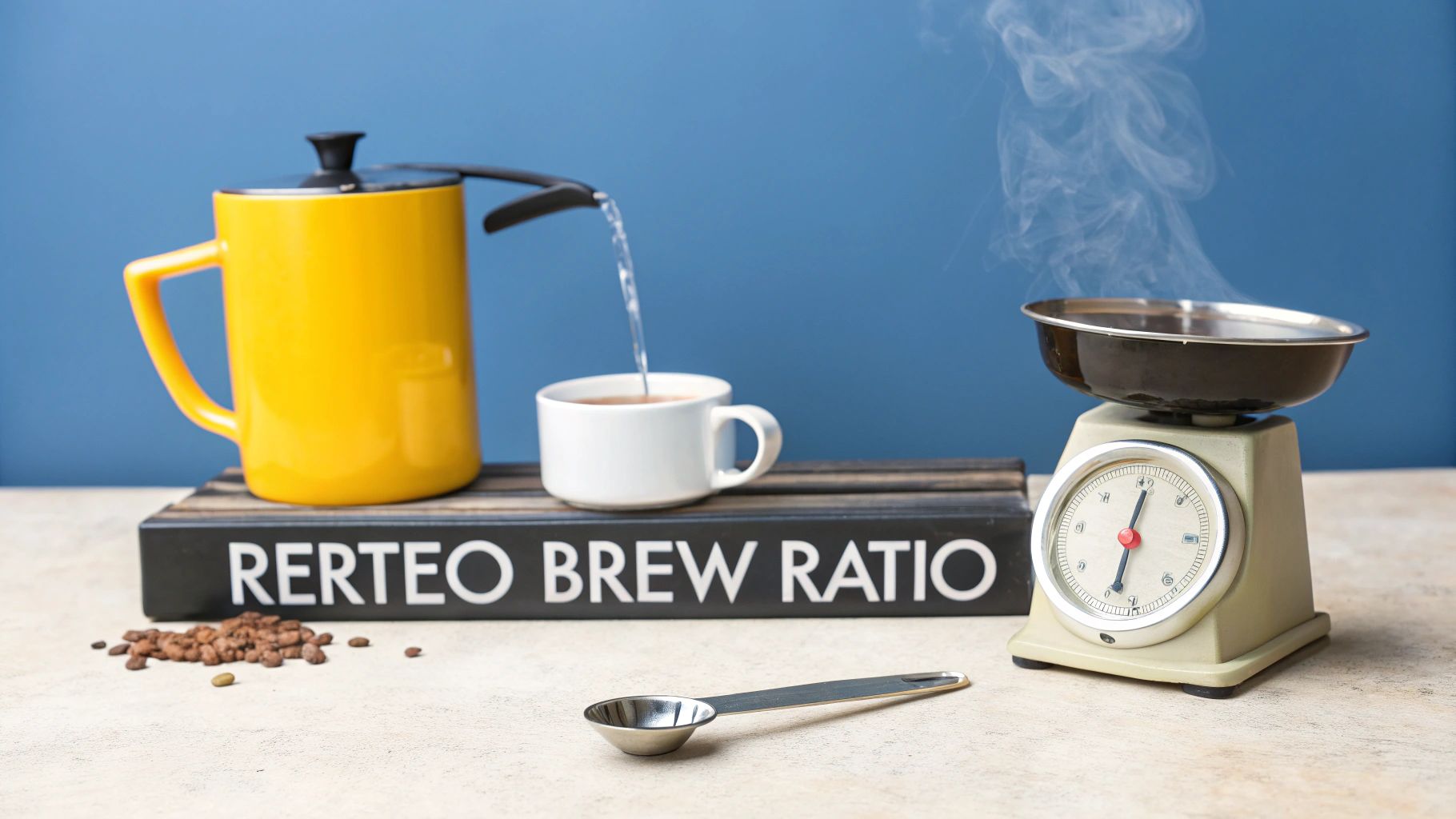
If you only focus on two things to elevate your coffee game, let it be these: your coffee-to-water ratio and the temperature of your water. Honestly, these two elements are the foundation of a genuinely great cup. Get them right, and you're 90% of the way to a consistently delicious brew that can stand up to anything from your favorite cafe.
It's time to move beyond just scooping a random spoonful into a mug. A little precision here pays off big time in flavor, giving you a balanced, satisfying coffee every single time.
Finding Your Perfect Coffee to Water Ratio
How strong do you like your coffee? The right ratio really comes down to personal taste, whether you're after a smooth, easy-drinking cup or something with the kick of an espresso. The great thing about a premium instant like Cartograph is that it’s flexible enough to do it all.
I've tinkered with these a lot, and here are a few solid starting points. A small kitchen scale is your best friend for consistency, but a measuring spoon works just fine.
- For a Standard Cup: Start with 1 teaspoon of Cartograph Coffee granules and add 6-8 ounces of hot water. This gives you a balanced, full-flavored brew that’s perfect for your daily ritual.
- For a Bolder Brew: If you prefer a stronger kick, just up the coffee. Try using 1.5 to 2 teaspoons with the same 6-8 ounces of water.
- For an Espresso-Style Shot: Need a concentrate for a latte or an iced coffee? Mix 1 teaspoon of coffee with just 2 ounces of hot water. The result is a rich, potent shot.
The best ratio is whatever tastes best to you. Use these as a guide, then feel free to tweak by a half-teaspoon or an ounce of water until you nail your personal sweet spot.
If you really want to get into the weeds on this, we have a whole guide dedicated to figuring out how much instant coffee to use per cup. This desire for a better brew is part of a larger trend—as the North American instant coffee market is projected to grow at a 5.5% CAGR from 2025 to 2030, people are getting more serious about their methods.
The Critical Role of Water Temperature
Let me tell you the single biggest mistake people make with instant coffee: using boiling water. Water at a full boil (212°F or 100°C) is way too hot. It scorches the delicate coffee granules, and you end up with a bitter, harsh, and just plain unpleasant taste.
Think of it this way: the extreme heat essentially burns off all the wonderful, aromatic compounds that give coffee its amazing flavor, leaving only the nasty, astringent notes behind. You wouldn't do that to a delicate green tea, and the same logic applies here.
The sweet spot for dissolving instant coffee while preserving all its best flavors is between 195°F and 205°F (90°C to 96°C). It’s hot enough for a perfect dissolve but gentle enough to keep the nuanced flavors intact.
How to Achieve the Perfect Temperature
Don't worry, you don't need a special thermometer for this. The best method is also the easiest.
- Bring your kettle to a full boil.
- As soon as it clicks off, just let it rest for 30 to 60 seconds before you pour.
That’s it. That short pause is all it takes for the water to cool down into that perfect flavor zone. It's a tiny tweak to your routine that makes a world of difference in the cup.
Of course, having hot water ready to go makes this even easier, especially when you're on the move. That’s where good insulated water bottles are a lifesaver. You can have perfectly heated water ready for your Cartograph Coffee whether you're camping, commuting, or just stepping away from your kitchen.
The Art of the Mix: Getting That Smooth, Frothy Finish
You’ve got your hands on some exceptional Cartograph Coffee and you've heated your water just right. Now for the make-or-break moment—the mix. How you bring these two together is what separates a decent cup from a truly fantastic one. Simply dumping the granules into a full mug of hot water is a fast track to stubborn clumps and a flat, uneven taste.
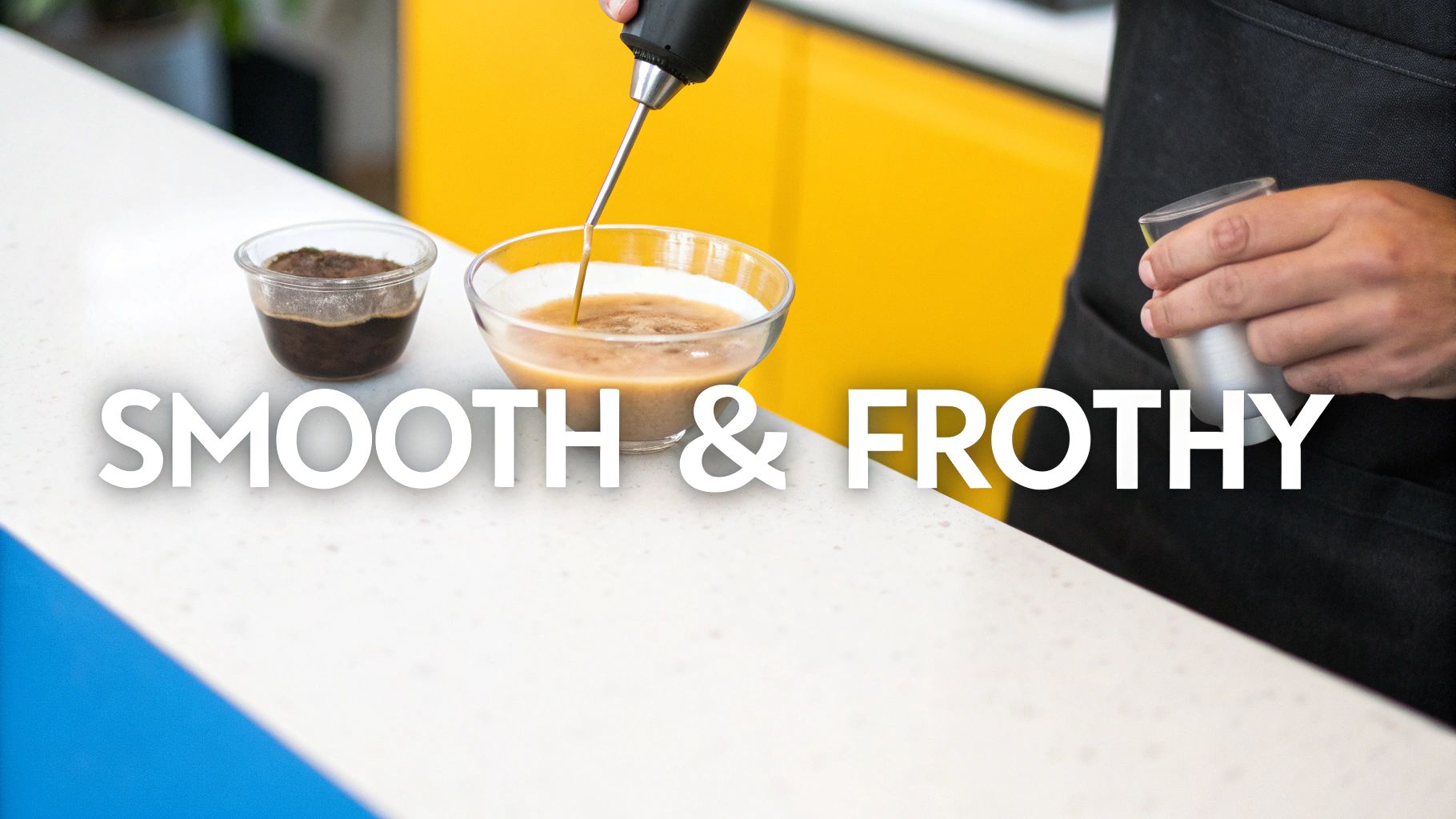
The secret to a flawlessly smooth brew lies in the technique. It’s a small detail, but a thoughtful approach here makes all the difference, creating a velvety texture and ensuring every last granule dissolves to release its full, rich flavor.
Master the Slurry for a Clump-Free Base
The single most effective trick I've learned for a perfectly smooth cup is to make a coffee slurry first. This just means pre-dissolving the coffee in a tiny bit of liquid before adding the rest of your water. It’s a simple move that completely changes the game.
Here's how it's done: put your coffee granules in the bottom of your mug before adding the water. Then, pour in just a splash of cool or room-temperature water—about a tablespoon is plenty. Stir this mixture into a thick, syrupy paste. You'll see the coffee dissolve completely, creating a beautiful, smooth concentrate.
Once you have that silky base, slowly pour in your hot water (not boiling!) while giving it a gentle stir. The coffee will blend in perfectly, leaving you with a consistent brew, totally free of clumps. This is my go-to foundation for a great cup, every single time.
This two-step process is a lifesaver for more than just hot coffee. Making a slurry is absolutely essential for iced coffee, since the granules have a tough time dissolving in cold liquid. This ensures your iced drink is never gritty.
How to Create a Velvety Froth at Home
Think you need a fancy espresso machine for a frothy, café-style drink? Think again. You can whip up a rich, creamy foam right in your mug using that same coffee slurry. This simple step can turn your daily instant coffee into a genuine experience.
After you've made your smooth coffee concentrate, you've got a couple of great options for creating that light, airy foam. It's a fantastic way to add a little touch of luxury to your morning.
Here are two of my favorite, incredibly easy methods:
- Handheld Milk Frother: These little gadgets are brilliant for this. Just dip the whisk into your coffee slurry and blitz it for about 15-20 seconds. The concentrate will transform into a thick, stable foam, almost like Dalgona coffee.
- The Sealed Jar Method: No frother? No problem. Pour your slurry into a small jar with a tight-fitting lid and shake it like you mean it for about 30 seconds. The agitation creates a surprisingly dense and creamy foam.
Once your foam is ready, you can top it with hot water for a frothy Americano or add steamed milk for an impressive homemade latte. For a full walkthrough, check out our guide to crafting the perfect instant coffee latte with Cartograph. This extra step elevates your coffee from a quick fix to a real treat.
Creative Recipes to Elevate Your Instant Coffee
Once you’ve nailed the basics of making a perfect cup of Cartograph Coffee, a whole world of creativity opens up. Think of that rich, smooth brew not as the final destination, but as a fantastic starting point for all sorts of café-style drinks you can whip up anywhere.
These recipes are your blueprint for turning a simple coffee moment into something special. Whether you're craving a refreshing iced coffee that actually tastes like coffee or a powerful brew for a long hike, it all starts with that high-quality base.
The Perfect No-Fuss Iced Coffee
We’ve all had a bad iced coffee. The most common mistake? Trying to dissolve coffee granules directly into cold water. It just doesn't work and you're left with a gritty, clumpy mess. The other trap is pouring hot coffee over ice, which melts the cubes instantly and leaves you with a sad, watered-down drink.
The secret is to make a quick, concentrated coffee shot first. It’s a game-changer.
- Make the Concentrate: In your glass, mix 2 teaspoons of Cartograph Coffee with about 2 tablespoons of cool or room-temperature water.
- Stir It Up: Mix them together until you have a completely smooth, thick coffee slurry. This is the most important step for getting that silky texture.
- Build Your Drink: Now, fill a separate tall glass with plenty of ice and pour your coffee concentrate right over it.
- Top It Off: Slowly add about 6 ounces of cold water or your favorite milk, give it one last gentle stir, and you're good to go.
This method guarantees the coffee is perfectly dissolved before it hits the ice, so you get a full-bodied, bold, and perfectly chilled drink every single time. No compromises.
Pro-Tip: If you like your iced coffee sweet, stir your sweetener (simple syrup works best) directly into the coffee concentrate. It dissolves beautifully in the thick slurry, unlike in a finished cold drink where it can just sink to the bottom.
A Rich and Creamy Instant Latte
You really don't need a fancy espresso machine to get that coffee-shop latte experience at home. The trick is to use your instant coffee to make a strong, espresso-like shot and then combine it with nicely frothed milk. It’s all about getting the proportions and the texture right.
For this one, you'll want to froth your milk first. You can gently heat it on the stovetop or in the microwave, then use a simple handheld frother to create a light, airy foam. This works just as well with oat or almond milk as it does with dairy.
Once your milk is frothed and ready:
- Whip up an espresso-style shot by dissolving 1-2 teaspoons of Cartograph Coffee in just 2 ounces of hot water.
- Pour this powerful little shot into your favorite mug.
- Gently pour the warm, frothed milk right on top.
What you get is a beautifully layered drink with a robust coffee flavor that perfectly cuts through the creamy milk. It’s a simple luxury that can make any morning feel a little more special.
The Adventurer’s Energy-Boost Coffee
For those days that demand more—whether you're hitting the trail at dawn or just have a mountain of work to get through—this "Bulletproof-style" recipe is your best friend. It combines the clean caffeine from Cartograph Coffee with healthy fats for a smooth, powerful boost that won't leave you with a crash later.
It's a favorite among backpackers and adventurers for good reason: it’s pure, reliable fuel.
What You'll Need:
- 1 serving of Cartograph Coffee (1-2 tsp)
- 6-8 ounces of hot water
- 1 tablespoon of unsalted grass-fed butter or ghee
- 1 tablespoon of MCT oil or organic coconut oil
To make it, first prepare your hot coffee using the slurry method to get a smooth base. Then, carefully pour the hot coffee and the fats into a blender. Blend for about 20-30 seconds until it becomes incredibly creamy and emulsified, with a thick layer of foam on top.
No blender? No problem. If you’re outdoors, just pour everything into a sealed, insulated bottle and shake it vigorously until it's all combined. The result is a rich, satisfying drink that provides a steady stream of energy for whatever your day holds.
Quick Instant Coffee Recipe Variations
To help you decide which drink to whip up, here’s a quick comparison of the recipes we just covered. Each one offers something a little different, from a simple afternoon refresher to a serious morning kickstart.
| Recipe | Key Ingredients | Best For |
|---|---|---|
| Iced Coffee | Coffee, Cold Water/Milk, Ice | A refreshing, full-flavored cold brew for a warm day. |
| Instant Latte | Coffee, Frothed Milk | Recreating a creamy, cozy café experience at home. |
| Adventurer's Coffee | Coffee, Butter/Ghee, MCT Oil | Sustained, crash-free energy for hiking or busy mornings. |
As you can see, a single packet of high-quality instant coffee is incredibly versatile. These three recipes are just the beginning—feel free to experiment with your own additions to find your perfect cup.
Proper Storage and Troubleshooting Common Issues
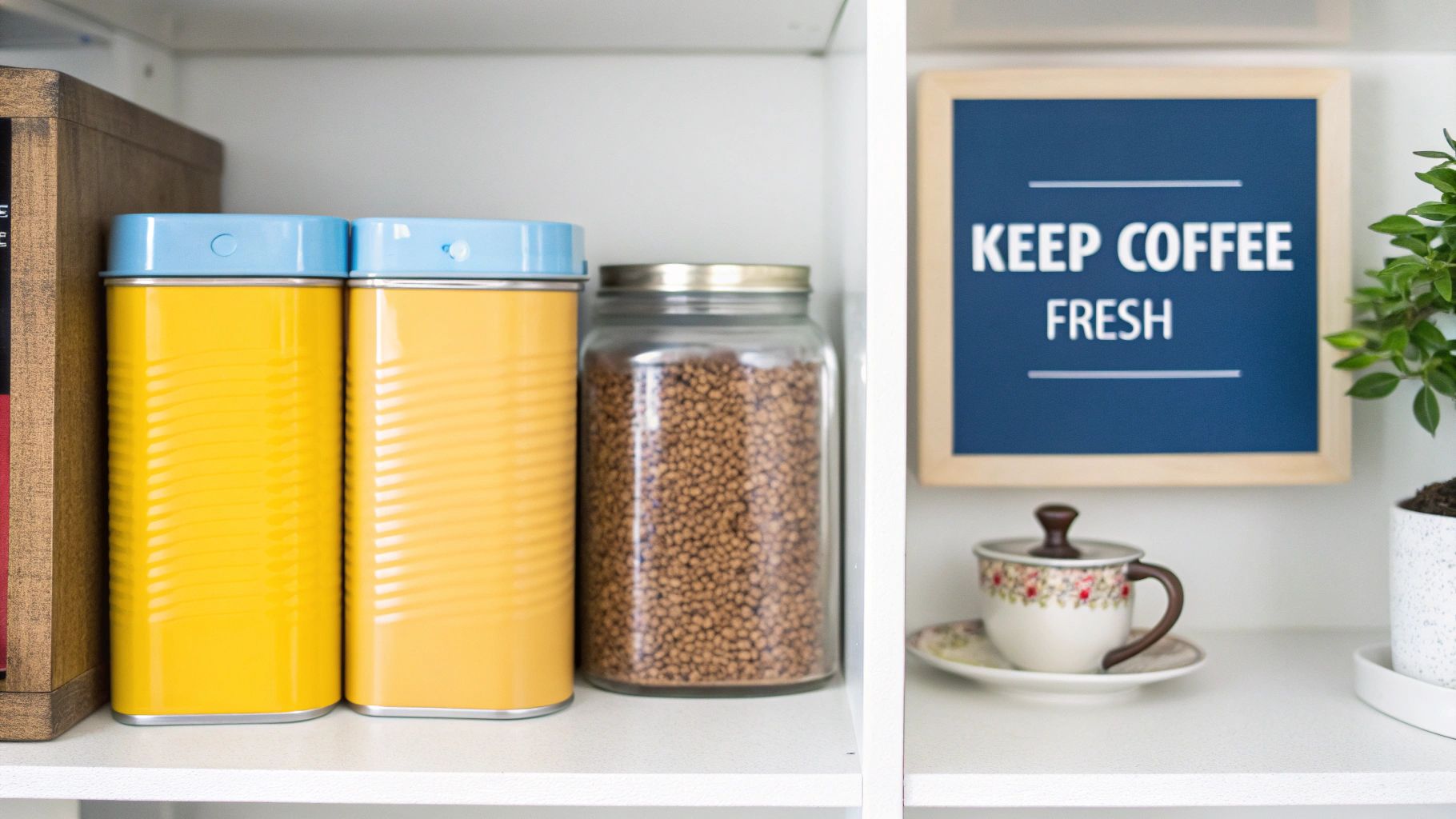
You've dialed in your ratios and mastered your technique. But there's one last step that people often forget: protecting your coffee. It might sound simple, but how you store your instant coffee is the one thing that guarantees your last cup tastes just as incredible as your first.
Think about it—our premium freeze-dried coffee granules are delicate. They’re porous, and if you leave them exposed, they’ll soak up everything in their environment. Once that happens, no amount of brewing wizardry can bring back the flavor you paid for.
The Three Enemies of Freshness
I like to tell people that fresh coffee has three mortal enemies: air, moisture, and light. Your whole storage strategy should be about keeping these three things far away from your coffee granules.
- Air (Oxidation): Oxygen is public enemy number one for any kind of coffee. When air hits the granules, a process called oxidation begins, stripping away the delicate oils and aromatics. This is what leads to that flat, almost cardboard-like taste you get from stale coffee.
- Moisture (Clumping): Instant coffee is hygroscopic, which is just a fancy way of saying it loves to absorb moisture from the air. Even a little bit of humidity will cause the granules to clump together, making them a pain to measure and dissolve. More importantly, it completely ruins the flavor.
- Light (Degradation): You wouldn't leave a fine wine out in the sun, and the same goes for your coffee. Direct sunlight and even bright kitchen lights break down the complex compounds that give your coffee its unique character, leaving it tasting bland.
The fix is simple: store your coffee somewhere cool, dark, and dry. An airtight, opaque container tucked away in a cupboard or pantry is your best defense against these flavor thieves.
Solving Common Coffee Problems
Even with the best coffee and the right technique, things can sometimes go a little sideways. Don't worry, it happens to all of us. The good news is that the solution is almost always a minor tweak. Here’s a quick guide to diagnosing and fixing the most common issues.
My Coffee Tastes Too Weak
This is, without a doubt, the most frequent issue people run into. If your coffee just isn't hitting with the richness and body you want, it almost always comes down to your coffee-to-water ratio.
- The Fix: Start by adding another half-teaspoon of coffee while keeping the amount of water the same. Another approach is to keep the coffee the same but pull back on the water by an ounce or two. Play around with it until you hit that sweet spot.
My Coffee Tastes Bitter or Scorched
Getting a harsh, bitter, or burnt taste? The culprit here is almost always water that's way too hot. Pouring boiling water directly onto the delicate granules literally scorches them, obliterating all the nuanced, sweet notes and leaving only bitterness behind.
- The Fix: This one's an easy fix. Once your kettle clicks off, just let it sit for 30 to 60 seconds before you pour. That little pause is all it takes for the water to cool down to the ideal 195–205°F (90–96°C) range, which perfectly extracts flavor without burning it.
My Coffee is Clumpy and Won't Dissolve
Ever end up with stubborn little clumps of coffee sludge at the bottom of your mug? That happens when you dump all the water on the granules at once. They get overwhelmed and can't dissolve evenly.
- The Fix: Just go back to the slurry method we talked about earlier. Before you do anything else, mix your coffee granules with just a tiny bit of cool or room-temp water to form a paste. Once that’s smooth, then you can add your hot water. Problem solved.
Taking care of your coffee is just as important as how you brew it. In the wider coffee world, packaging and distribution are huge—jars still accounted for 48.70% of revenue in 2024, but the rise of quality-focused online brands shows how much people care about freshness. Proper storage at home is you doing your part to preserve the craft and flavor that we put into every batch of Cartograph Coffee. You can see more data on trends like this over at Grand View Research.
To get even more in-depth, check out our guide on the shelf life of instant coffee and how to make it last.
Common Questions & Quick Answers
Even after mastering the basics, a few questions tend to pop up. We hear them all the time from people who are serious about getting the most out of their coffee. Let's tackle some of the most common ones so you can clear up any last doubts and perfect your routine.
Can I Use Milk Instead of Water to Dissolve Instant Coffee?
You can, but I really wouldn't recommend it. Milk is full of proteins and fats that get in the way of the coffee granules dissolving properly. The result is almost always a clumpy, gritty texture—the exact opposite of the smooth cup we're aiming for.
The secret to a perfect, silky latte is to dissolve the coffee first. Just create a quick slurry with a small amount of cool or room-temperature water. Once you have that smooth coffee concentrate, go ahead and add your hot or frothed milk. It’s a tiny extra step that makes a world of difference.
What's the Real Difference Between Freeze-Dried and Spray-Dried Coffee?
The difference is night and day, and it all comes down to how the water is removed from the brewed coffee. The method has a massive impact on the final flavor.
- Spray-Drying: This is the harsh, high-heat method. Coffee extract is blasted through scorching hot air, which often burns the delicate flavor compounds. It’s why so many cheap instant coffees taste bitter or flat.
- Freeze-Drying: This is a much gentler, low-temperature process. The coffee is frozen solid, then placed in a vacuum where the ice turns directly into vapor. This sophisticated technique preserves the coffee's original complex aromas and nuanced flavors.
If you're serious about making a great cup of instant coffee, starting with a freeze-dried product like Cartograph isn't just a suggestion—it's essential. It’s the only way to get that rich, authentic bean flavor into your mug.
How Much Caffeine Is in a Serving of Instant Coffee?
A typical serving of premium instant coffee—about one to two teaspoons of granules—usually has between 60 and 90 milligrams of caffeine. For comparison, a standard cup of drip coffee often packs 95 to 165 milligrams.
This makes high-quality instant coffee a fantastic option when you want a clean, focused lift without the heavy jolt that some brewed coffees deliver. Of course, for the most accurate numbers, it's always best to check the specific product's packaging.
Can I Make a Big Batch of Iced Coffee Concentrate?
Absolutely! This is one of my favorite hacks for a busy week. Having a batch ready to go means a perfect iced coffee is never more than 30 seconds away.
Just scale up the ratio. For example, grab a jar and mix 8 teaspoons of Cartograph Coffee with 8 tablespoons of cool water. Give it a vigorous stir until you have a thick, completely smooth concentrate.
Seal it up and store it in the fridge—it'll stay fresh for up to four days. When you're ready, just pour some over a glass of ice and top it with cold water or your milk of choice. It’s convenience without compromise.
Ready to see how good instant coffee can truly be? Put these tips to the test with a coffee that was made for incredible flavor and unmatched convenience.